
Temporary Works Are Not Temporary Decisions
Why demolition sequencing often determines project success.
August 2026 · 1 min read
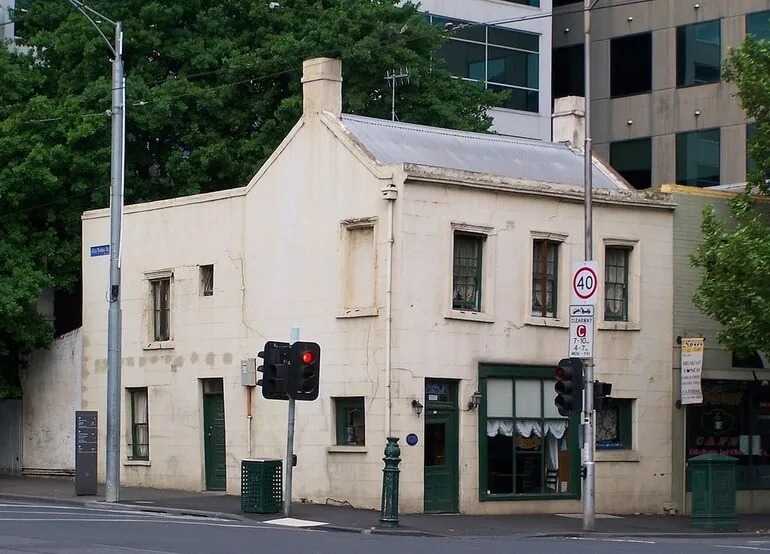
Every stage of removal is a temporary structure, and each one deserves the same rigour as the finished building.
On existing buildings, the most heavily loaded condition is frequently a mid-demolition state that exists for a fortnight. Load paths that have been stable for a century are interrupted, and stability that came from a wall being removed must be replaced before that wall goes.
Sequencing therefore belongs in the design, not in the construction methodology alone. Propping locations, retention of key elements and the order of removal all influence cost, programme and risk.
The projects that run smoothly are almost always the ones where the temporary condition was designed with the same care as the permanent one.
Tell us about your building.
Can’t find the answer you’re looking for? Tell us about your building, project or challenge and we’ll help point you in the right direction.