
Why Cracks Don’t Always Mean Foundation Movement
The most obvious explanation is not always the correct explanation. Understanding the difference between symptoms and causes is one of the most important parts of structural investigation.
August 2026 · 1 min read
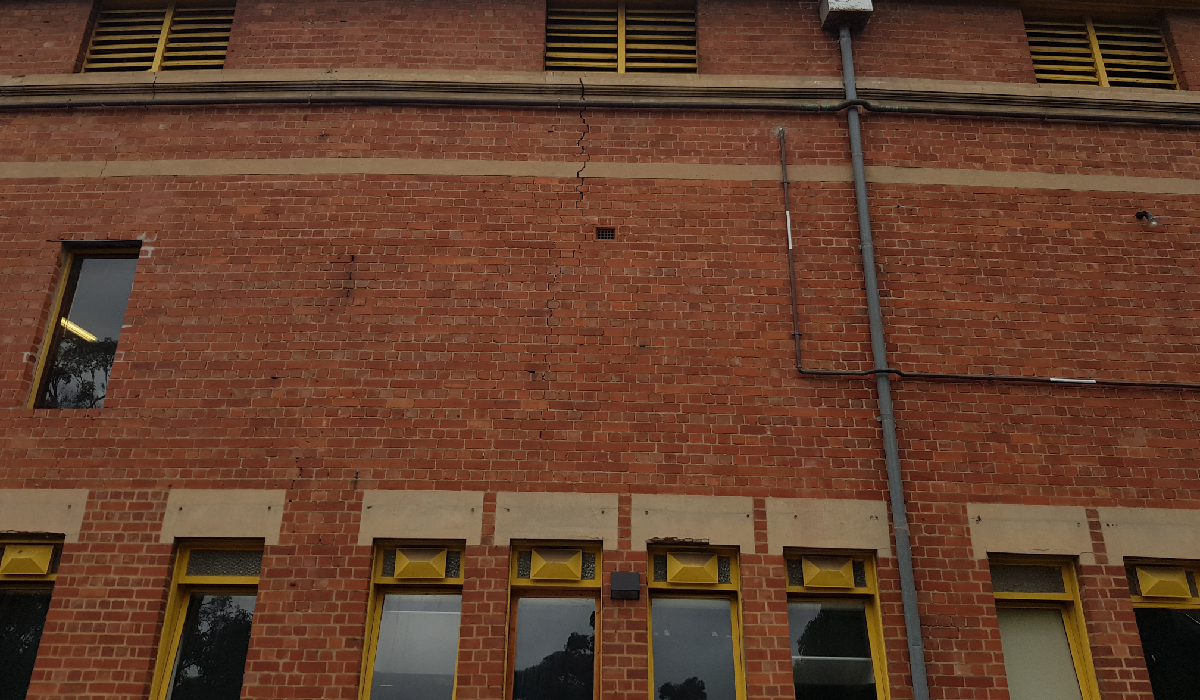
Lessons learned from investigating existing masonry buildings experiencing long-term movement and deterioration.
Cracking is the most visible thing a building does, so it attracts the quickest conclusions. Footing movement is usually the first explanation offered, and occasionally it is the right one. More often, the crack is a symptom of something else entirely: thermal movement, corrosion expansion of embedded steel, moisture-driven expansion of clay brickwork, or simply a wall doing what it has always done in response to loads that changed decades ago.
The pattern matters more than the width. Stepped diagonal cracking near an opening, vertical cracking at a change of material, horizontal cracking at a wall plate, and map cracking across render each point to different mechanisms. Reading them in the right order — geometry, then location, then width, then history — usually narrows the mechanism before any instrument is installed.
Time is the most underused investigative tool. Monitoring across a seasonal cycle separates active movement from movement that has already stabilised. A crack that opens and closes with the weather is telling a very different story from one that continues in a single direction.
The practical consequence is that intervention should follow investigation, not precede it. Underpinning a building that is not moving is expensive, disruptive and occasionally harmful to heritage fabric. Understanding the cause first almost always produces a smaller, simpler and more durable repair.
Tell us about your building.
Can’t find the answer you’re looking for? Tell us about your building, project or challenge and we’ll help point you in the right direction.