

Heritage • Remediation • Existing Buildings • Condition Assessment • Structural Investigation
Footscray Drill Hall.
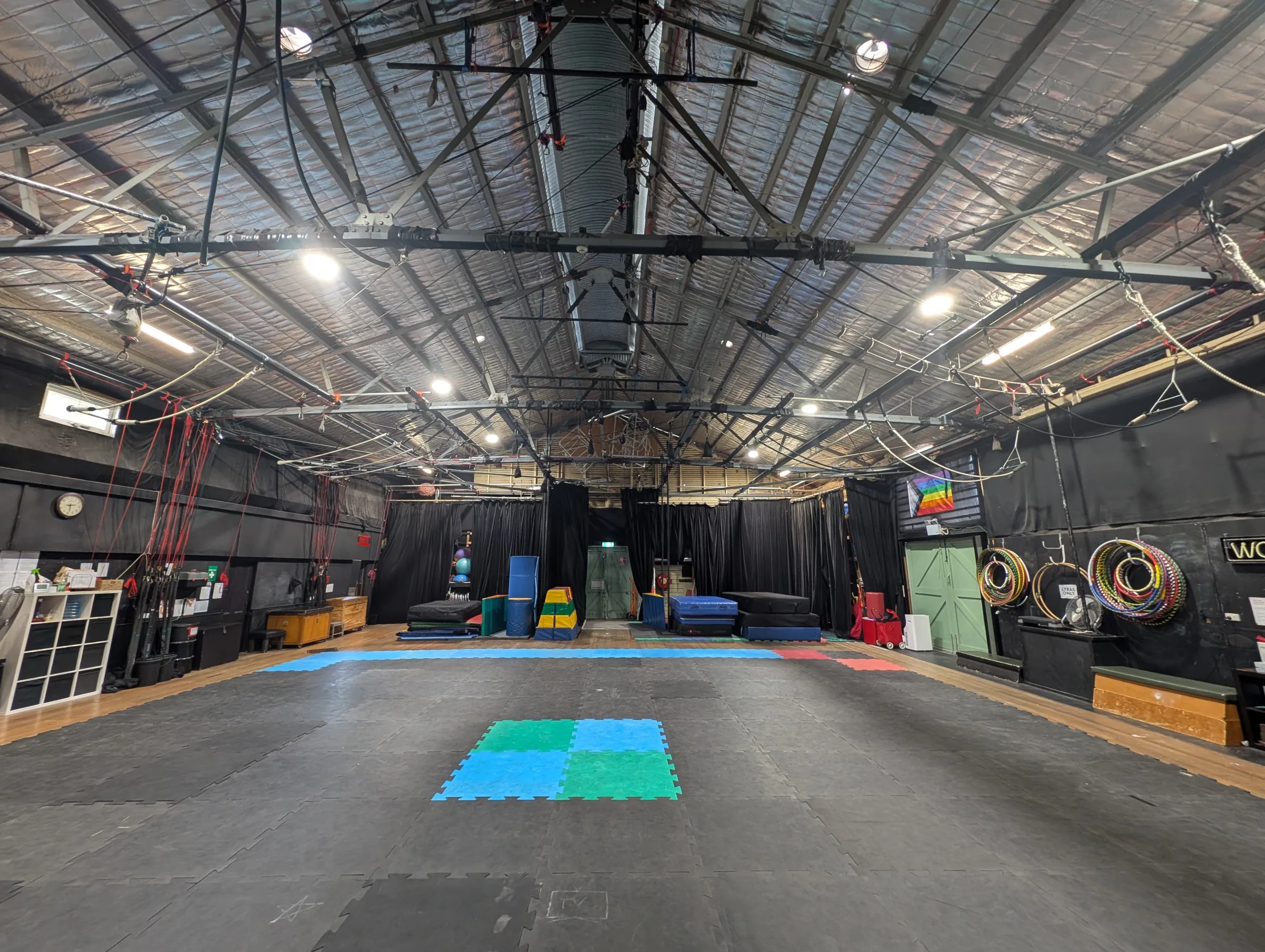
The Footscray Drill Hall has stood for more than a century, adapting from its original military function to become an important community facility. Sheer Force Engineering was engaged to assess the building's condition, investigate deterioration, evaluate structural performance and identify what was required to secure its future. The assessment found that, despite its age, the building remains fundamentally sound, with most issues relating to moisture ingress, maintenance and localised deterioration rather than major structural concerns. Through detailed condition assessment, structural review
Project Overview
Standing prominently on 395 Barkly Street, the historic Footscray Drill Hall is a rare surviving example of early twentieth-century military infrastructure.
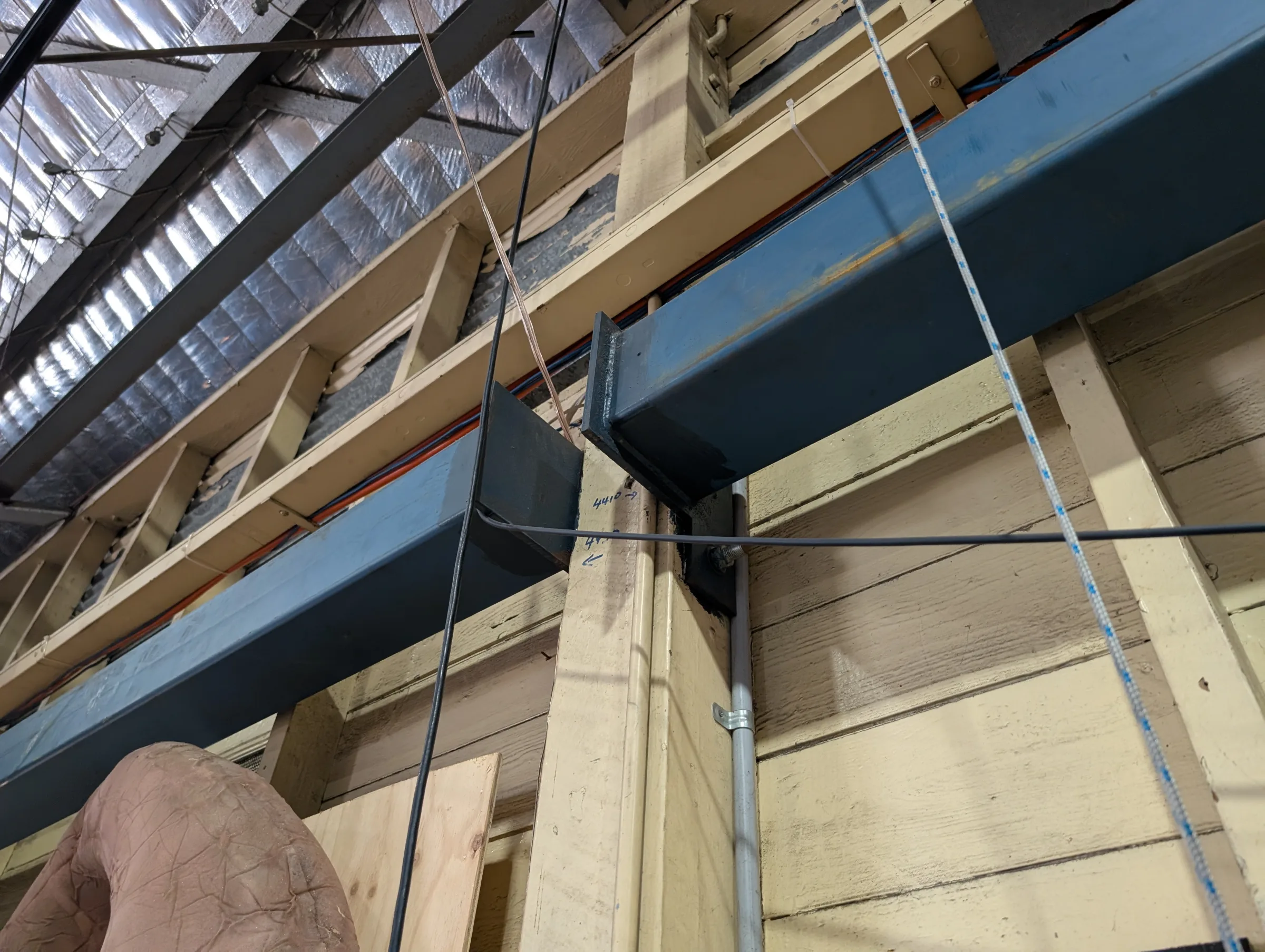
Originally constructed between approximately 1911 and 1918, the building has evolved far beyond its original purpose and now supports a range of contemporary community activities. The structure comprises a timber-framed building with corrugated steel wall and roof cladding, timber flooring systems and a steel roof-truss structure spanning the main hall spaces.
As custodians of ageing heritage assets know, the greatest challenge is rarely a single defect.
The real challenge is understanding the overall condition of the building, identifying deterioration before it becomes critical and ensuring the structure can continue supporting modern occupancies and activities.
Sheer Force Engineering was engaged to undertake a detailed condition assessment, structural review and engineering study of the building to establish its current condition, identify remediation priorities and support long-term asset management planning
The Challenge
Historic buildings are often surprisingly resilient.
The challenge is determining whether that resilience still exists after more than a century of exposure, weathering, modifications and changing patterns of use.
The Footscray Drill Hall presented a combination of typical heritage-building challenges including:
Ageing external cladding.
Deteriorating timber elements.
Localised moisture damage.
Ongoing building movement.
Reactive foundation conditions.
Water-ingress concerns.
Uneven flooring.
General wear associated with long-term community use.
The key question was not whether defects existed.
The key question was:
Which defects matter, which can be managed, and what is required to protect the building's future?
Our Approach
Sheer Force Engineering undertook a detailed inspection and engineering assessment of the building, including:
Structural condition assessment.
Review of available documentation.
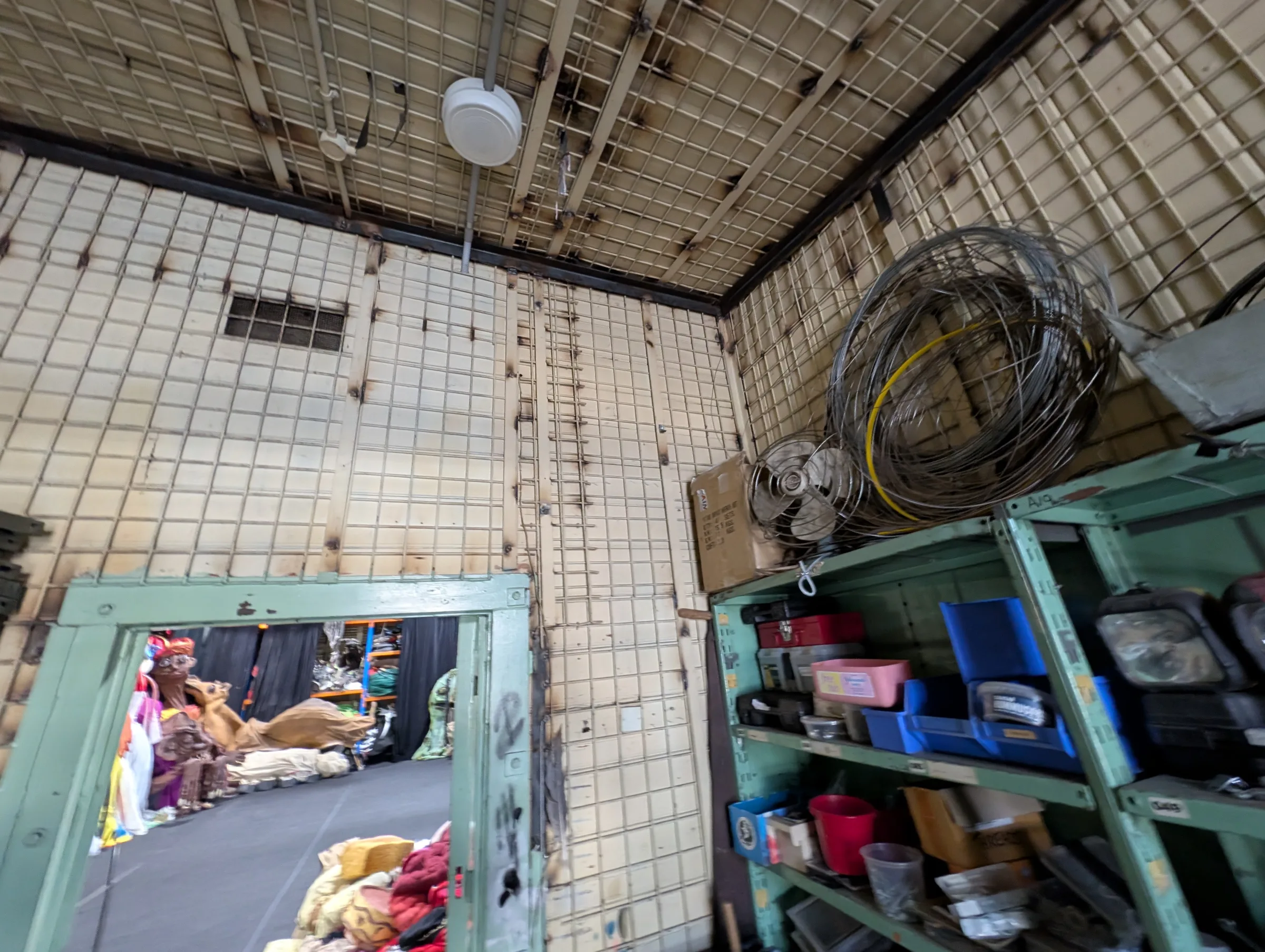
Inspection of accessible structural elements.
Assessment of moisture-related deterioration.
Assessment of timber-framed construction.
Inspection of roofing and wall cladding systems.
Review of floor performance.
Structural capacity investigations.
Development of remediation priorities and asset-management recommendations.
Importantly, the study did not focus exclusively on isolated defects.
The assessment considered the building as an entire structural system and evaluated how individual defects related to the long-term performance of the asset.
A Building That Has Aged Remarkably Well
One of the most important findings from the project was that the overall structure remains in good condition despite its age.
Following inspection of the accessible areas, SFE concluded that the building continues to perform well as a heritage asset and remains capable of delivering satisfactory service life provided ongoing maintenance is undertaken.
The report specifically noted that, with appropriate remediation and routine upkeep, the building could reasonably be expected to continue performing satisfactorily for at least the next twenty years and likely much longer.
For a structure now well over a century old, this is a significant result.
The Real Enemy: Moisture
A recurring theme throughout the assessment was moisture.
Rather than major structural distress, many of the observed defects could ultimately be traced back to the effects of water ingress and long-term weather exposure.
Examples included:
Localised timber decay.
Deteriorated window sills.
Damaged door elements.
Deteriorating trims.
Corrosion of external metal elements.
Historical ceiling-water damage.
Localised façade deterioration.
Like many heritage buildings, the structure itself remained relatively robust.
The greatest risk was moisture finding pathways into the building envelope and damaging the fabric over time.
Understanding Structural Movement
One of the more interesting aspects of the investigation was the assessment of cracking throughout parts of the building.
Rather than indicating imminent structural failure, the cracking patterns were consistent with normal movement associated with reactive clay soils and shallow founding conditions.
Seasonal moisture fluctuations within reactive soils can produce small but ongoing cyclic movements beneath older structures.
These movements commonly manifest as:
Plaster cracking.
Cornice separation.
Localised wall cracking.
Minor door and window distortion.
Understanding this distinction is critical.
The assessment helped separate cosmetic and maintenance issues from defects requiring more substantial intervention.
Prioritising What Matters
Not all defects were equal.
The review identified several items that warranted greater attention, including:
Water Damage
Evidence of ceiling moisture damage indicated previous or potential roof leakage. Further investigation was recommended to verify whether water ingress remained active and to ensure roofing systems continued to perform satisfactorily.
Safety Items
A loose handrail connection presented a safety concern and was identified as a higher-priority maintenance issue because of its potential impact on building users.
Building Envelope Deterioration
Damage to cladding, missing fasteners and timber deterioration were not immediately structural concerns but created opportunities for moisture penetration and accelerated degradation if left untreated.
The value of the assessment was establishing a clear hierarchy of remediation priorities instead of treating every defect as equally important.
Beyond Defects: Understanding Capacity
A significant component of the broader engagement involved reviewing the building's structural behaviour and supporting informed decisions regarding its future use.
For heritage community assets, longevity depends not only on repairing defects but also on understanding how the structure responds to contemporary occupancies and loading demands.
By combining condition assessment with structural engineering review, the project provided a stronger basis for long-term planning, maintenance and future investment.
The Outcome
The project provided stakeholders with:
A comprehensive record of building condition.
Identification of deterioration mechanisms.
Prioritised remediation recommendations.
Improved understanding of moisture-related risks.
Structural assessment supporting future use.
A framework for long-term asset management.
A pathway toward preserving an important heritage building for future generations.
Most importantly, the assessment demonstrated that the building remains fundamentally sound and that targeted maintenance can continue extending its useful life well into the future.
Why This Project Matters
Many heritage assessments focus solely on defects.
This project focused on stewardship.
The objective was not simply to catalogue deterioration.
It was to understand how a century-old structure is performing today, what interventions are required and how the building can continue supporting community uses into the future.
For Sheer Force Engineering, the project highlights expertise in:
Heritage Engineering
Existing Buildings
Structural Assessments
Condition Surveys
Asset Preservation
Structural Capacity Review
Building Remediation
Tell Us About Your Project
Every project begins with a conversation.