
When a Regional Earthquake Cracked a Historic Court Building
When cracking suddenly appeared inside a public court building following an earthquake in regional Victoria, the immediate concern was whether the structure remained safe for ongoing use. Our investigation revealed a fascinating example of how even a moderate seismic event can affect older masonry buildings. By examining the building's layout, structural behaviour, and visible damage, we identified why the cracking occurred in one area but not another. This project highlights an important lesson many Australians don't realise: earthquakes do happen here, and understanding how buildings respond
Quentin Suckling · September 2026 · 6 min read
Introduction
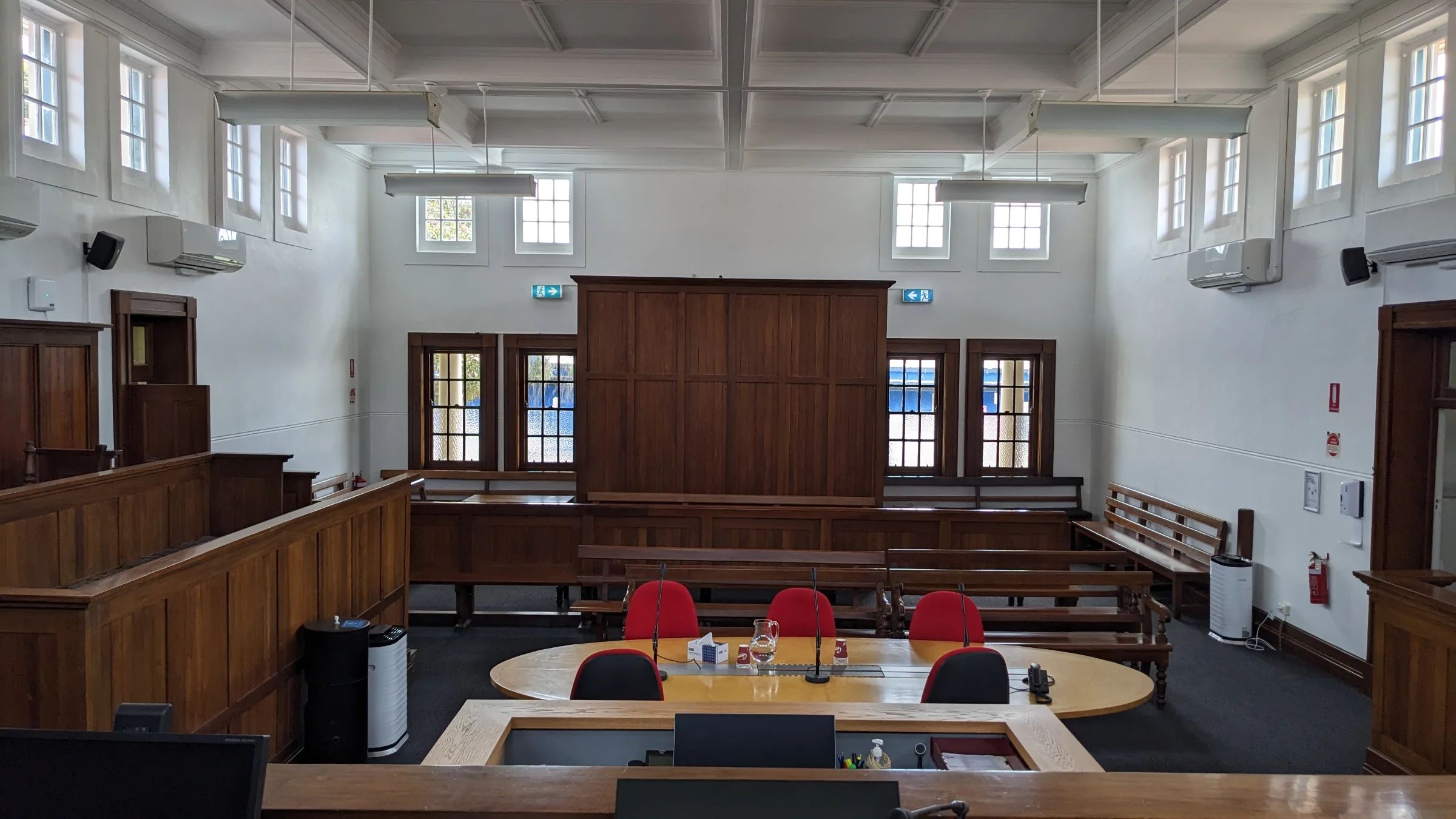
When Court Services Victoria contacted us about cracking that had appeared inside the Wonthaggi Magistrates Court, their primary concern was straightforward: was the building still safe for the public?
The concern arose immediately after a regional Victorian earthquake. While earthquakes are often associated with countries sitting on major fault lines, many people are surprised to learn that Australia experiences seismic activity more often than they realise. Most of these events are relatively minor, but that doesn't mean they are incapable of affecting buildings.
In this case, occupants noticed cracking shortly after a magnitude 4.3 earthquake struck near Leongatha in South Gippsland. The timing immediately raised questions. Was the earthquake responsible? Had the building suffered structural damage? Or had the shaking simply exposed an existing weakness?
Those were the questions we set out to answer.
Initial Observations
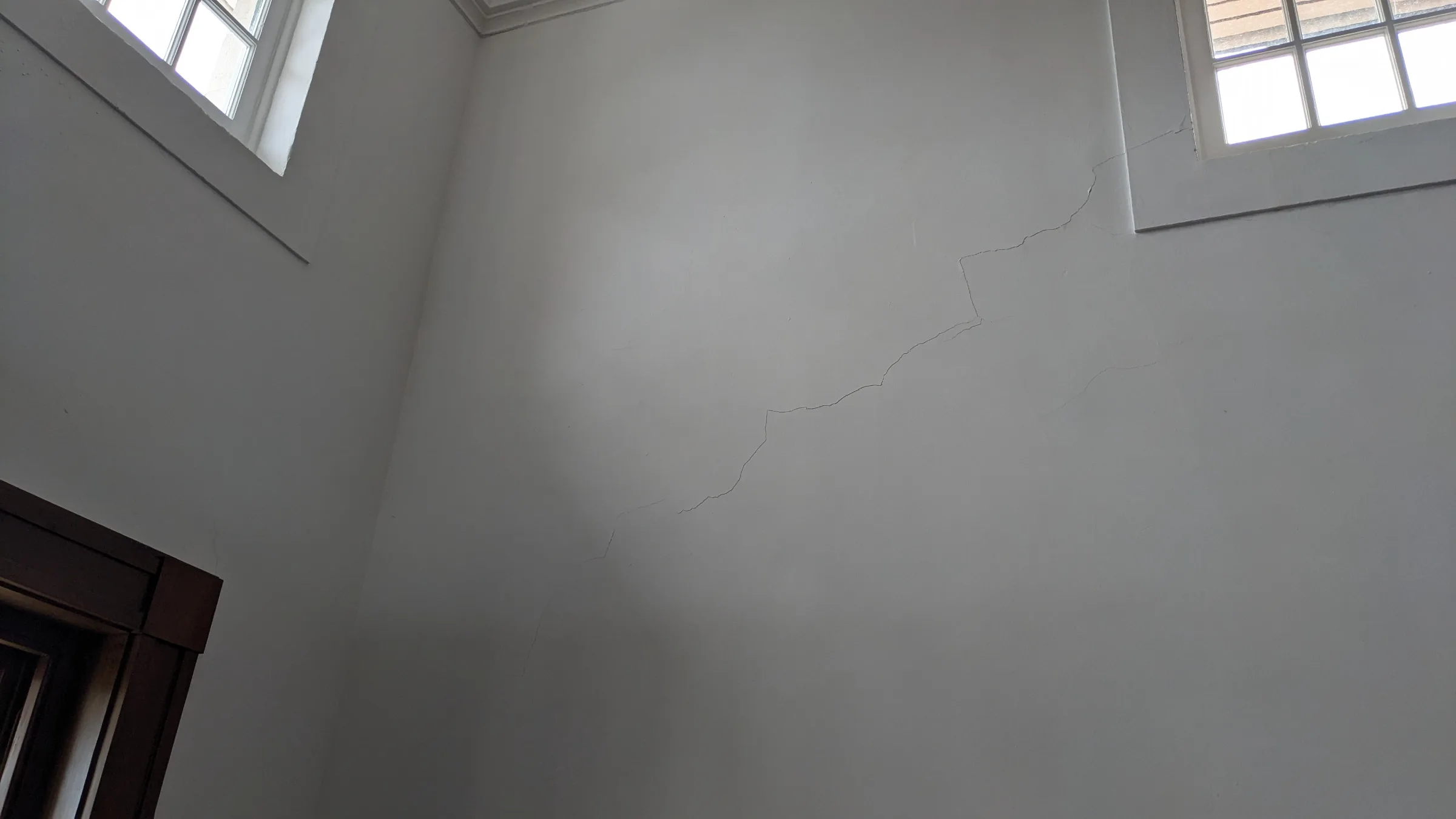
When we arrived on site, the most prominent damage was located along the eastern wall of the building's main courtroom.
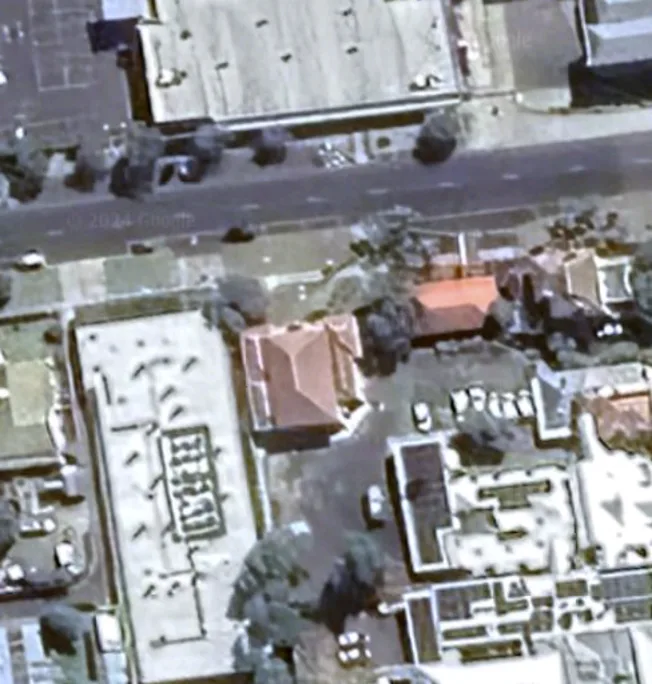
The building is a classic masonry structure with a large central courtroom flanked by smaller rooms on either side. The courtroom itself is considerably taller than the surrounding spaces, creating a distinct difference in height and stiffness across the building.
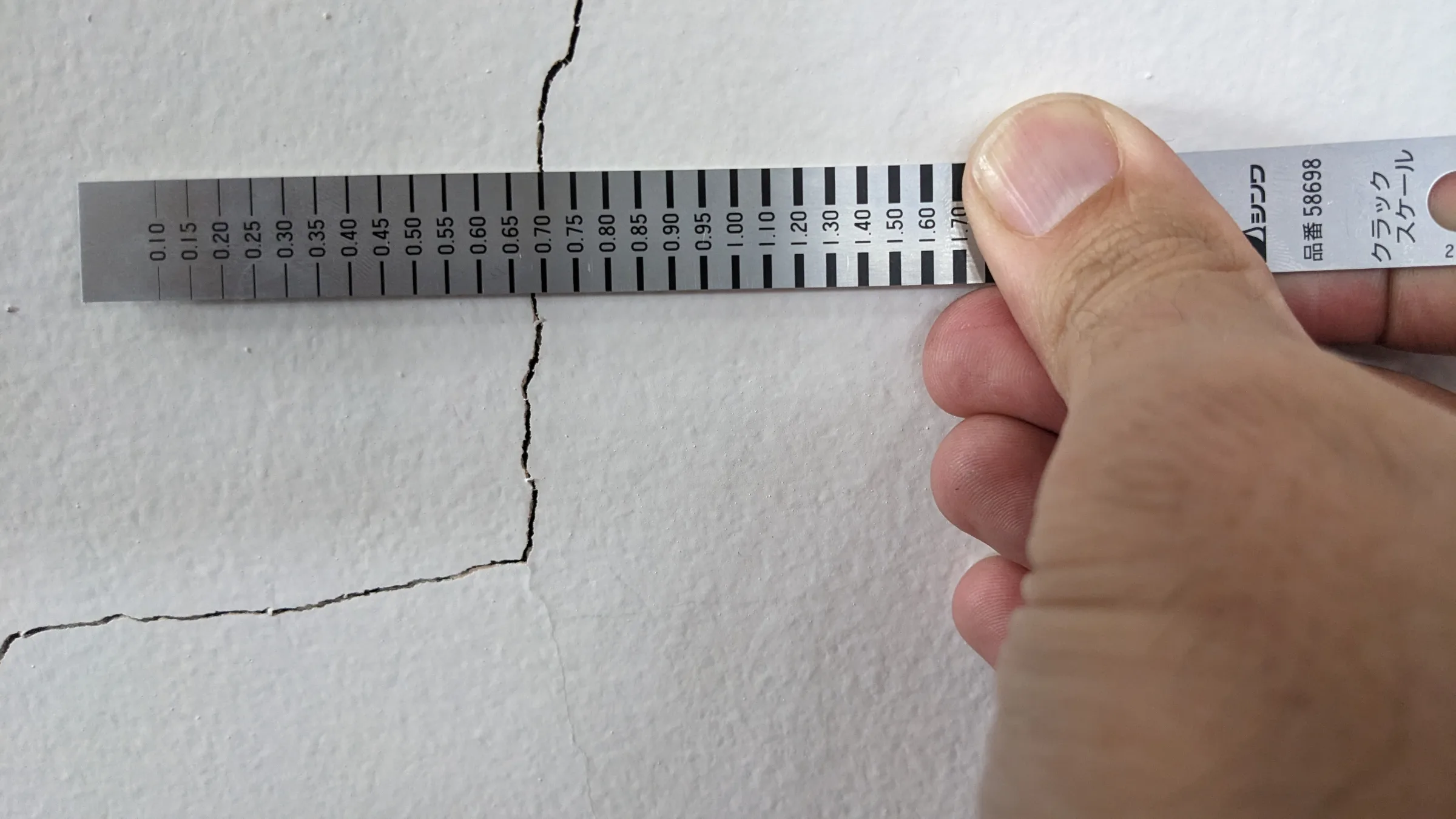
The cracking extended along a significant portion of the eastern courtroom wall. We observed predominantly horizontal cracking, together with sections of stepped diagonal cracking. The cracks were relatively narrow, generally ranging between approximately 0.3 mm and 0.95 mm wide.
At first glance, the damage was noticeable but not severe. Importantly, there were no signs that the wall was leaning, bulging, or showing indications of imminent instability.
One factor that made the cracking particularly apparent was that the building had undergone painting and patch repairs only about a year earlier. Fresh finishes tend to make new cracking much easier to identify, which helped occupants notice the changes quickly.
How We Investigated the Problem
Whenever we investigate cracking, we try to avoid jumping to conclusions.
Cracks can form for many reasons. They can be caused by foundation movement, seasonal moisture changes, material shrinkage, construction defects, ageing, or external events such as earthquakes. The visual appearance of a crack rarely tells the whole story on its own.
Our investigation therefore focused on gathering evidence from multiple sources.
We performed a detailed visual inspection of the affected wall and surrounding structure. We reviewed the building layout and considered how different parts of the building interact structurally.
We also took wall verticality measurements using a digital spirit level to determine whether the wall had experienced any significant movement or leaning.

In addition to this, we assessed floor levels adjacent to the wall. This was important because differential settlement is one of the most common causes of cracking in masonry buildings.
Differential settlement simply means that one part of a building moves more than another, much like a chair becoming uneven when one leg sinks further into soft ground.
If settlement had been responsible, we would generally expect to see corresponding signs in both the wall and adjacent floor structure.
What we found was quite different.
What We Found
One of the most interesting aspects of this project was that our initial theory remained largely unchanged throughout the investigation.
The timing of the cracking strongly suggested a seismic trigger, and the evidence we observed on site continued to support that conclusion.
The wall remained generally straight and vertical.
The floor adjacent to the wall showed some long-term unevenness typical of older timber-framed buildings, but there was no indication of significant or recent foundation movement.
The cracking pattern itself also differed from the types of cracks commonly associated with ground movement or seasonal moisture changes.
Collectively, the evidence pointed toward the earthquake as the most likely primary trigger.
But the bigger question was why the cracking had occurred in this particular location.
The answer became much clearer once we stepped back and considered the building's overall arrangement.
The moment everything clicked was when we examined the relationship between the tall central courtroom and the lower rooms positioned on either side.
The eastern side of the courtroom was connected directly to several masonry partition walls. These walls effectively acted like braces, making the eastern side relatively stiff.
The western side behaved differently. A corridor separated the adjacent rooms from the courtroom wall, which meant the western wall had greater freedom to move and flex.
During an earthquake, buildings don't simply move as a rigid block. Different parts can respond differently depending on their size, shape, stiffness, and connection details.
In simple terms, one side of the courtroom appears to have been more restrained than the other.
This difference in behaviour likely concentrated stresses within the eastern wall, ultimately causing the observed cracking.
Interestingly, the cracking stopped where these adjoining rooms ceased. This matched the structural behaviour we would expect and further supported our conclusions.
Engineering Insights
This project highlights several misconceptions we encounter regularly.
The most common is the belief that earthquakes aren't really an Australian problem.
The reality is that Australian design standards do include earthquake loading requirements. Depending on the size, weight, and location of a building, earthquake forces can significantly influence the design of walls, columns, and foundations.
Many people are genuinely surprised by this.
While Australia does not experience the frequency or severity of earthquakes seen in places such as New Zealand, Japan, or California, seismic events remain a real consideration for engineers.
This project also demonstrates another important principle: cracks do not automatically mean a building is unsafe.
A crack is a symptom, not a diagnosis.
The key question is always why the crack formed.
In some cases, cracking may indicate significant structural distress. In others, it may simply be evidence that the structure has responded exactly as expected under an unusual event.
Understanding the difference requires investigation rather than assumption.
Older unreinforced masonry buildings are particularly interesting in this regard. Masonry performs exceptionally well in compression, but it is generally less tolerant of movement and tension. Even relatively modest seismic forces can therefore produce visible cracking without necessarily resulting in an immediate safety concern.
Outcome
Fortunately, the outcome was largely consistent with our expectations.
Although the earthquake had likely caused localised cracking, the building did not display signs of significant instability or widespread structural damage.
Most importantly, we did not identify any immediate life safety concerns associated with the affected wall.
We recommended carrying out localised repairs to restore continuity within the masonry wall. This included repairing cracked areas and reinstating the bond between masonry units where it had been disrupted.
We also recommended inspecting concealed sections of the wall to ensure similar damage had not occurred in areas hidden from view.
Beyond repair works, a sensible watch-and-monitor approach was recommended to confirm that the cracking remained stable.
This is often one of the most practical responses following moderate seismic events. Rather than assuming the worst, the goal is to gather evidence and verify future performance.
What This Project Teaches Building Owners
If I were explaining this project to a friend over coffee, I would probably say:
"Yes, we do get earthquakes in Australia, and yes, they can affect buildings."
At the same time, I'd also add that moderate earthquakes are rarely a reason to panic.
The more important lesson is to understand what happened and verify that the building continues to perform safely.
Following a seismic event, even relatively small signs such as cracking can provide valuable information about how a building has responded.
Getting an engineering assessment provides clarity, reassurance, and a pathway for any necessary repairs.
Key Takeaways
Australia does experience earthquakes, and engineers regularly design buildings to resist seismic forces.
Cracks appearing after an earthquake do not automatically mean a building is unsafe.
The location and pattern of cracking often reveal how a building responded during shaking.
Building geometry and layout can significantly influence where damage occurs.
Older unreinforced masonry structures are generally more susceptible to earthquake-related cracking.
Following a moderate earthquake, a professional assessment can provide valuable peace of mind and help identify any necessary repairs.
Tagged
Never miss a new insight.
Receive email notifications when new articles, project lessons and technical insights are published.
Leave a message.
A thought, a question or a correction on this article — it comes straight to our team. Messages are reviewed by us before they appear beneath the article.
Tell us about your building.
Can’t find the answer you’re looking for? Tell us about your building, project or challenge and we’ll help point you in the right direction.
About The Author

Quentin Suckling
Director - Structural Engineering
Quentin Suckling is the Director and Principal Structural Engineer at Sheer Force Engineering. Passionate about heritage preservation and adaptive reuse, he enjoys understanding how buildings behave and helping clients unlock the potential within existing structures. Through these articles he shares practical lessons from projects, investigations and engineering practice.