
Insights
What We’re Learning.
Thoughts, lessons and observations drawn from investigations, design work, site inspections, heritage structures, adaptive reuse projects and engineering practice.
The most valuable lessons often come from buildings that behave differently than expected.
Never miss a new insight.
Receive email notifications when new articles, project lessons and technical insights are published.

Search Results
13 Insights

When a Basement Starts Cracking: Looking Beyond the Surface
When we were asked to investigate cracking and water ingress within a large multi-level basement car park, the immediate concern was whether several prominent cracks indicated a serious structural problem. Through a detailed inspection covering hundreds of defect locations, we discovered a more nuanced story involving concrete shrinkage, restrained movement, construction detailing, and waterproofing performance. This project highlights why understanding the cause of defects is just as important as identifying them, and why moisture inside a basement should never be ignored.
Read Insight
When a Heritage Warehouse Starts Moving: Following the Clues
When we were asked to investigate a converted heritage warehouse that had developed cracking, sagging balconies, and noticeable movement, the initial signs didn't appear to fit together. Through site inspections, measurements, and a detailed review of how the building was constructed, we discovered that many of the visible problems were linked by a common underlying cause. This project demonstrates why understanding the overall behaviour of a building is often more important than simply repairing the symptoms.
Read Insight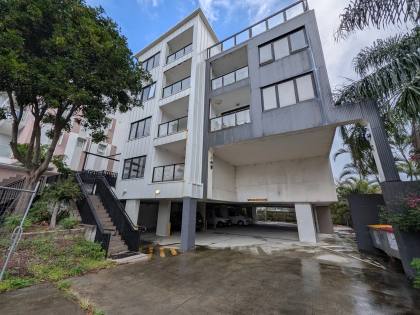
When Modular Buildings Meet Real-World Weather: A Forensic Engineering Investigation
When we were engaged to assess a modular apartment building in Queensland, the expectation was that it had some age-related defects but was generally in reasonable condition. What we discovered told a different story. Through intrusive investigations, site inspections, and a review of deterioration throughout the building, we found widespread moisture ingress driving corrosion, façade deterioration, waterproofing failures, and concealed damage. This project highlights an important lesson about modular construction: the modules themselves are only part of the story.
Read Insight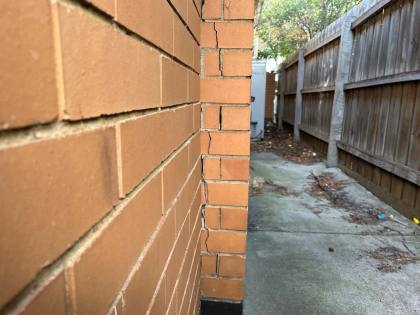
What a Burst Pipe Taught Us About Foundation Movement, Flooding, and Engineering Evidence
When a homeowner challenged an insurance decision following widespread cracking in their property, we were engaged to investigate what had really happened. Historical records showed the home had remained generally stable for years before a burst pipe flooded the subfloor. Through site inspections, review of previous engineering reports, and analysis of soil behaviour, we found the story was far more complex than simply blaming age or reactive clay. This project highlights why evidence, timelines, and engineering reasoning matter when determining the true cause of building damage.
Read Insight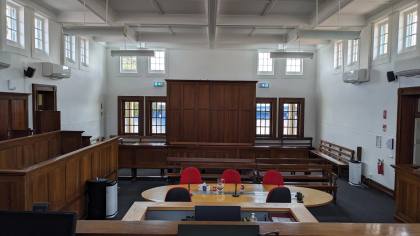
When a Regional Earthquake Cracked a Historic Court Building
When cracking suddenly appeared inside a public court building following an earthquake in regional Victoria, the immediate concern was whether the structure remained safe for ongoing use. Our investigation revealed a fascinating example of how even a moderate seismic event can affect older masonry buildings. By examining the building's layout, structural behaviour, and visible damage, we identified why the cracking occurred in one area but not another. This project highlights an important lesson many Australians don't realise: earthquakes do happen here, and understanding how buildings respond
Read Insight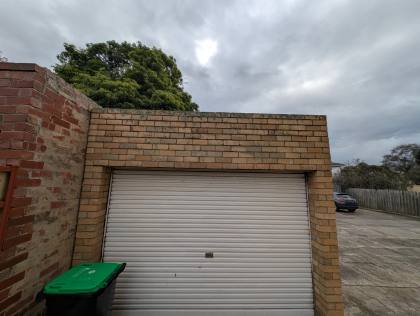
The Garage Crack that Looked Like a Foundation Problem
When we were asked to inspect a garage with severe cracking in the masonry parapet, the property owner feared the building might require major footing repairs. Some of the cracking looked alarming enough that temporary propping had already been installed. Through a detailed investigation, we discovered the problem was not below ground at all. Instead, hidden corrosion within steel lintels was slowly forcing the brickwork apart. This project highlights why visible cracks do not always tell the full story and why understanding the true cause can lead to simpler, more targeted repairs.
Read Insight
When Concrete Falls: Lessons from a Modern Apartment Building Investigation
When a section of concrete detached from a relatively modern apartment building and fell into the area below, the immediate concern was public safety. We were engaged to investigate the cause and determine whether the problem was isolated or more widespread. What we discovered was a reminder that even newer buildings can suffer from construction-related issues. This project highlights how missing reinforcement, moisture ingress, and overlooked façade details can combine to create unexpected risks, and why small warning signs should never be ignored.
Read Insight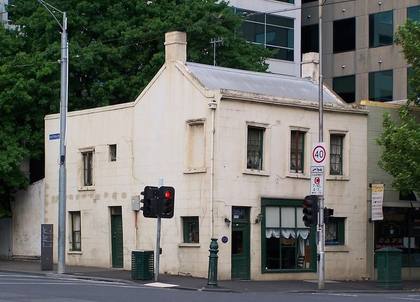
Heritage House Cracks: Why Underpinning Didn't Stop the Movement
When we were asked to investigate one of Melbourne's oldest heritage houses, the assumption seemed straightforward: the building had cracked because the footings were moving. The property had already undergone multiple underpinning campaigns over several decades, yet the cracking and movement continued. Through intrusive investigations and detailed assessment, we discovered the real issue was hidden behind the render. This project highlights why diagnosing the true cause of cracking is often more important than rushing into repairs.
Read Insight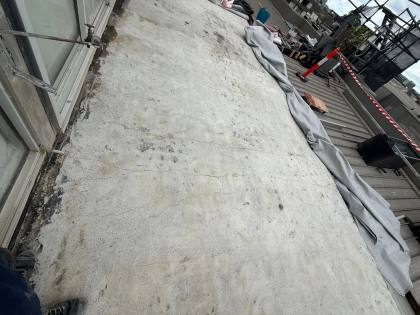
Forensic Structural Engineer Melbourne: The Balcony Investigation that Changed Everything
What started as a routine balcony waterproofing project quickly turned into something far more complex. After demolition works exposed unexpected cracking and excessive deflection, our investigation uncovered a series of hidden issues that had likely been present for decades. Through slab scanning, concrete core testing, structural analysis and forensic investigation, we discovered that multiple small defects had combined to create a much larger structural concern. This project highlights how forensic engineering often reveals a very different story beneath the surface.
Read Insight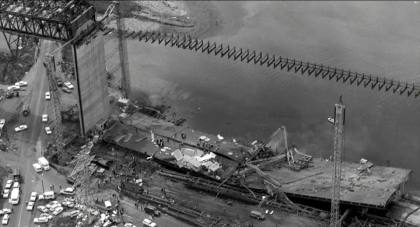
Why Did the West Gate Bridge Collapse
The 1970 collapse of Melbourne’s West Gate Bridge was one of Australia’s worst engineering disasters and had a profound impact on bridge design and construction practices worldwide. This article examines the bridge’s steel box girder design, construction methodology and the sequence of events leading to failure. It explores how fabrication tolerances, construction-induced buckling, imposed corrective loads and the removal of critical structural bolts combined to overstress a bridge span, ultimately causing a catastrophic collapse and valuable lessons for the engineering profession.
Read Insight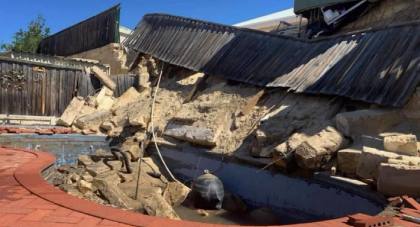
Why Do Retaining Walls Fail
Retaining walls are among the most failure-prone structures due to the many forces acting on them. This article explores the most common reasons retaining walls fail, including rotation, sliding, global stability failure, and local member failure. Using L-wall and soldier pile wall examples, it explains how poor drainage, excessive surcharge loads, inadequate soil investigation, insufficient footing or pile embedment, and detailing errors can undermine performance, and outlines the engineering principles used to prevent these failures.
Read Insight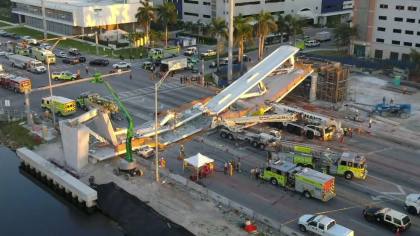
Why Did the FIU Bridge Collapse
The 2018 collapse of the FIU Pedestrian Bridge was one of the most significant structural failures in recent history, resulting in multiple fatalities and prompting a major engineering investigation. This article examines the bridge’s design, construction methodology and the events leading to the collapse. Through a detailed review of the structural configuration, construction joints, post-tensioning system and load path, it explores the likely failure mechanisms at the critical node connection and the engineering lessons that can help prevent similar tragedies in the future.
Read Insight
Can Steel Beams Be Melted by Jet Fuel
Jet fuel cannot melt structural steel, but that fact alone does not explain how buildings behave during severe fires. This article examines the science behind steel strength, melting temperatures and fire performance, comparing the burn temperature of jet fuel with the thermal properties of structural steel. It explains how elevated temperatures reduce steel strength, how thermal expansion and differential heating can deform members, and why significant structural failures can occur well before steel reaches its melting point.
Read InsightLooking For Advice?
Can’t find the answer you’re looking for?
Tell us about your building, project or challenge and we’ll help point you in the right direction.