
The Crack, the Tunnel and the Unexpected Twist
When we were asked to investigate significant cracking and slab movement inside a Melbourne substation, the initial concern was whether nearby tunnel works had caused ongoing structural damage. What followed became one of the more interesting forensic investigations we've undertaken. A competing theory emerged, the evidence appeared to point in an entirely different direction, and a second site visit revealed an unexpected clue that changed the story. This project shows why engineering investigations are often more like detective work than people realise.
Quentin Suckling · July 2026 · 7 min read
Some engineering investigations are straightforward.
You identify a defect, determine the cause, recommend a solution, and move on.
Others feel more like a detective story.
This project was definitely the second type.
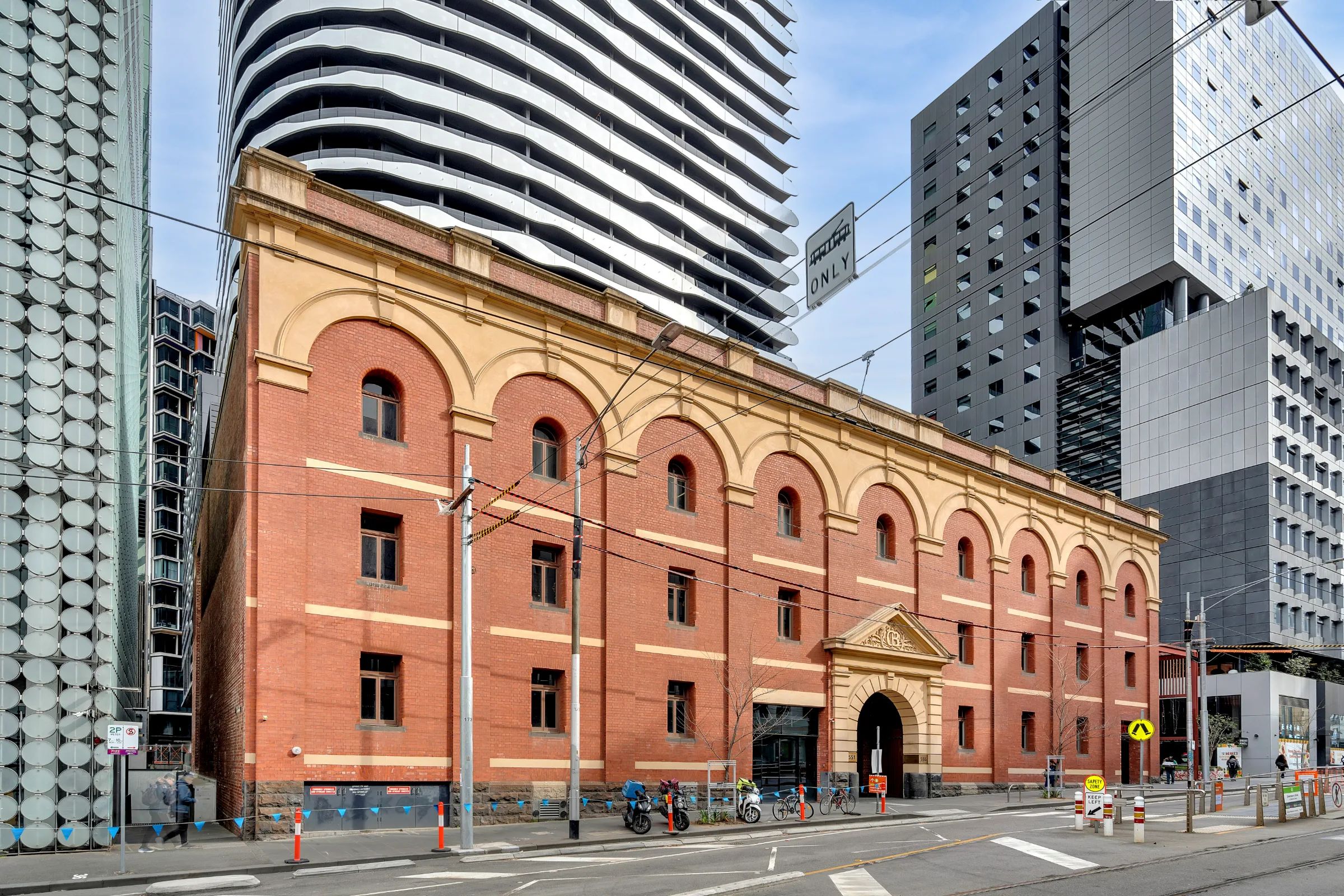
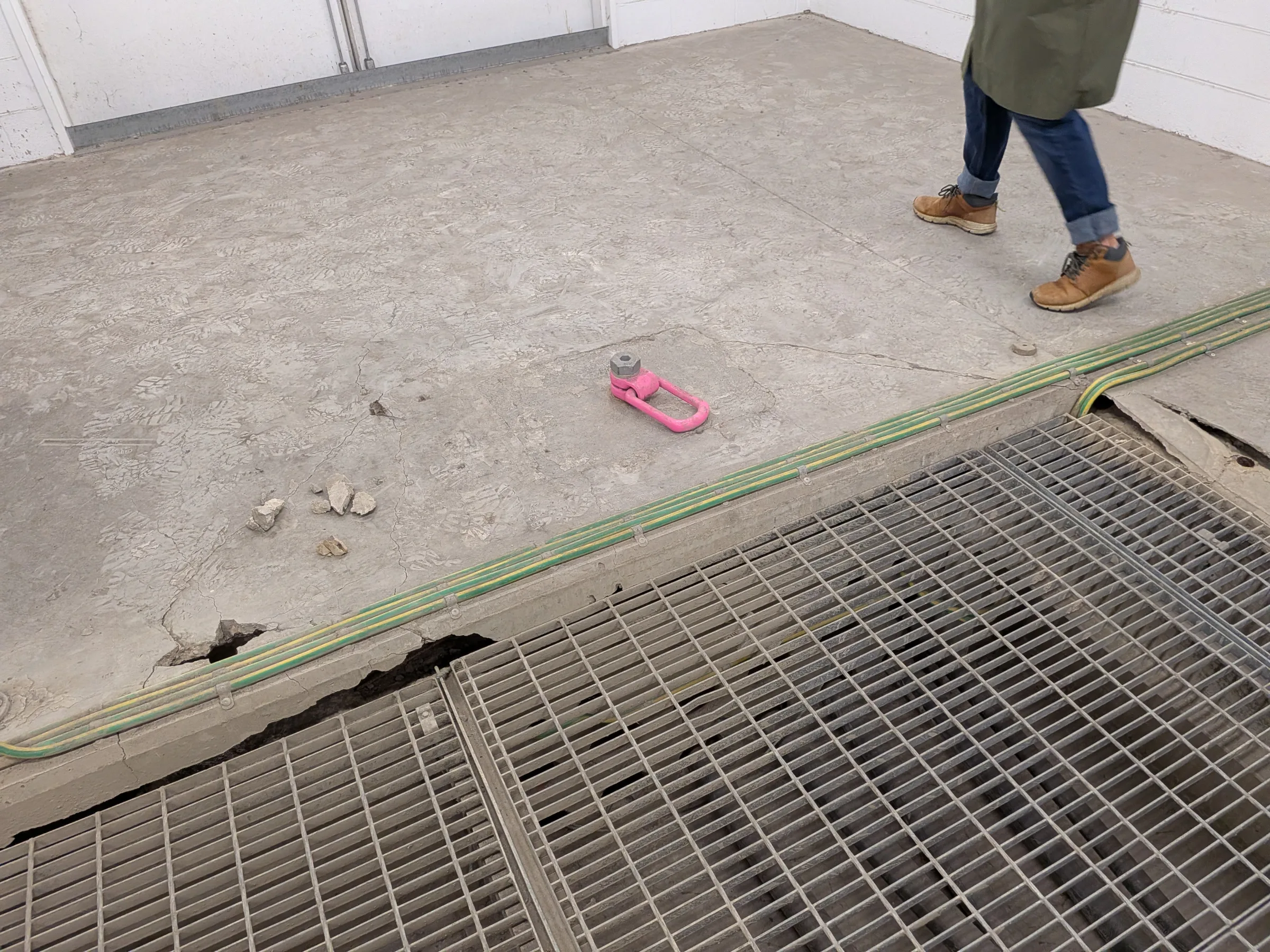
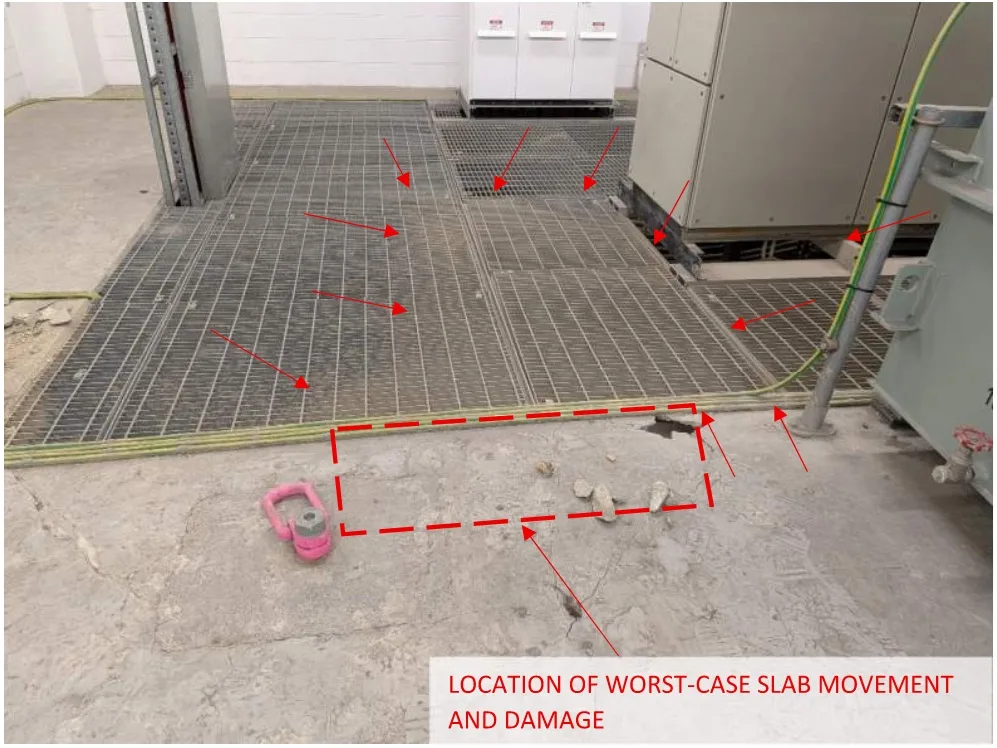
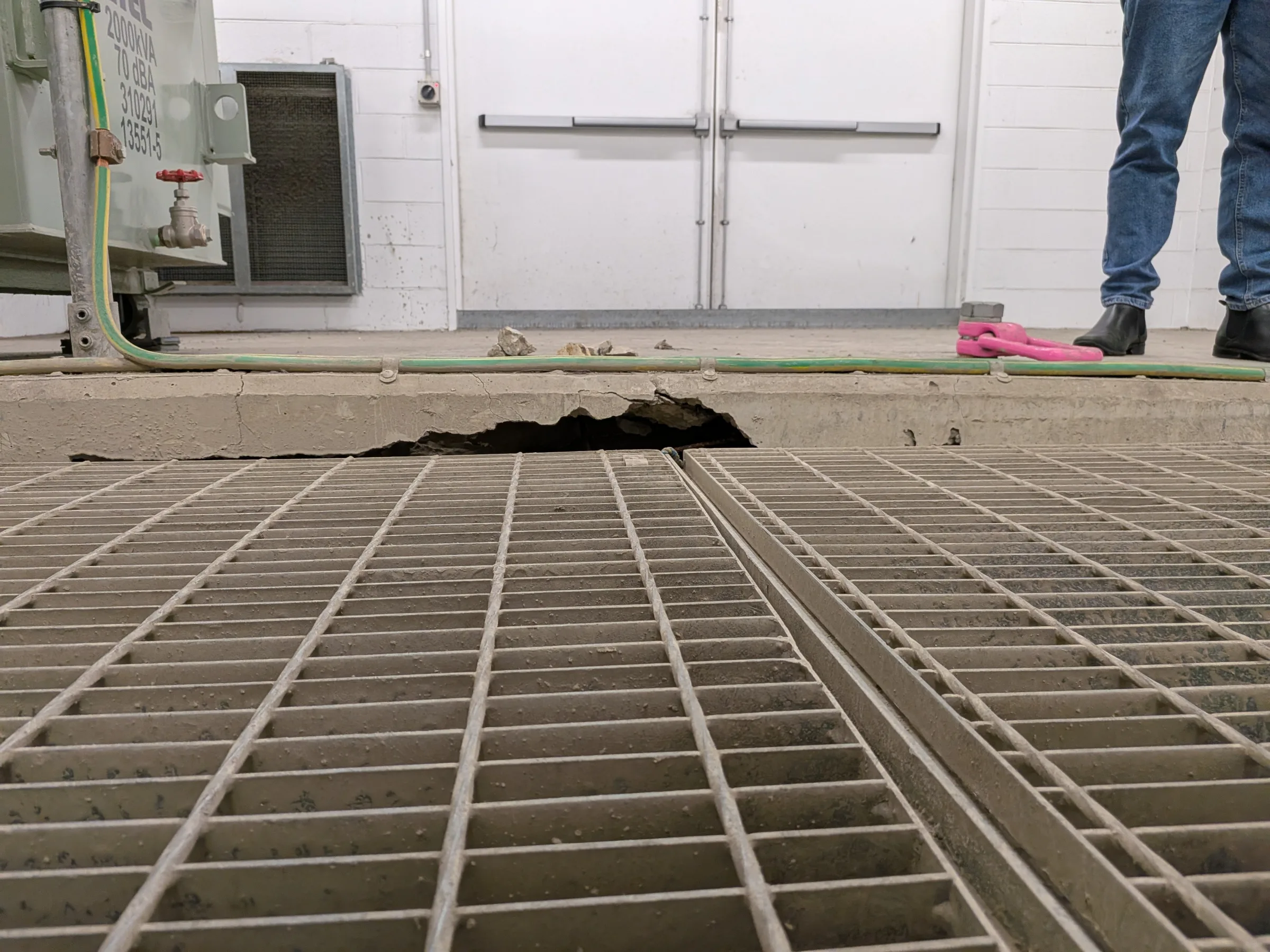
When we were asked to inspect a transformer room beneath a large apartment tower in Melbourne, everyone agreed on one thing: something significant had happened. The floor slab had lifted dramatically, large cracks had formed, sections of concrete had broken away, and there were visible voids beneath parts of the slab. In some locations, reinforcing steel could even be seen.
The immediate question was obvious:
What caused it?
At first glance, there appeared to be a likely suspect.
But as with any good mystery, the obvious answer wasn't necessarily the correct one.
A Crack That Couldn't Be Ignored
The damage was substantial.
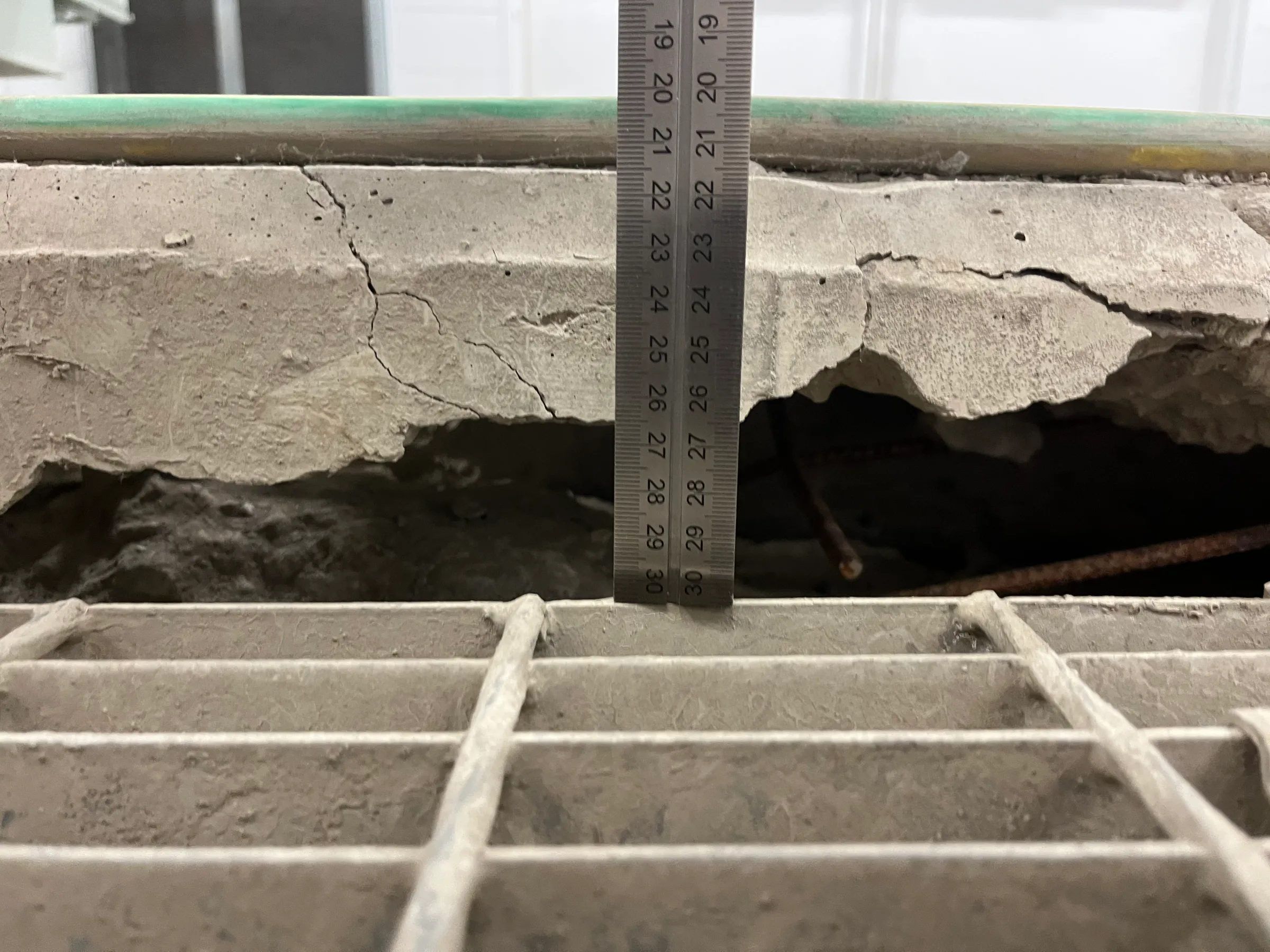
Within the transformer room we observed approximately 90-100mm of vertical displacement between the surrounding floor slab and the transformer pit structure. To put that into context, the floor level difference was large enough to create a clear step that anyone entering the room would immediately notice. Significant cracking, concrete spalling and localised voiding were also present around the affected area.
One of the client's biggest concerns was understanding whether the movement was still occurring.
Was this an active problem?
Was the damage becoming worse?
Was there a safety issue?
And perhaps most importantly, what should be done about it?
Given the location of the building, there was one possibility that immediately attracted attention.
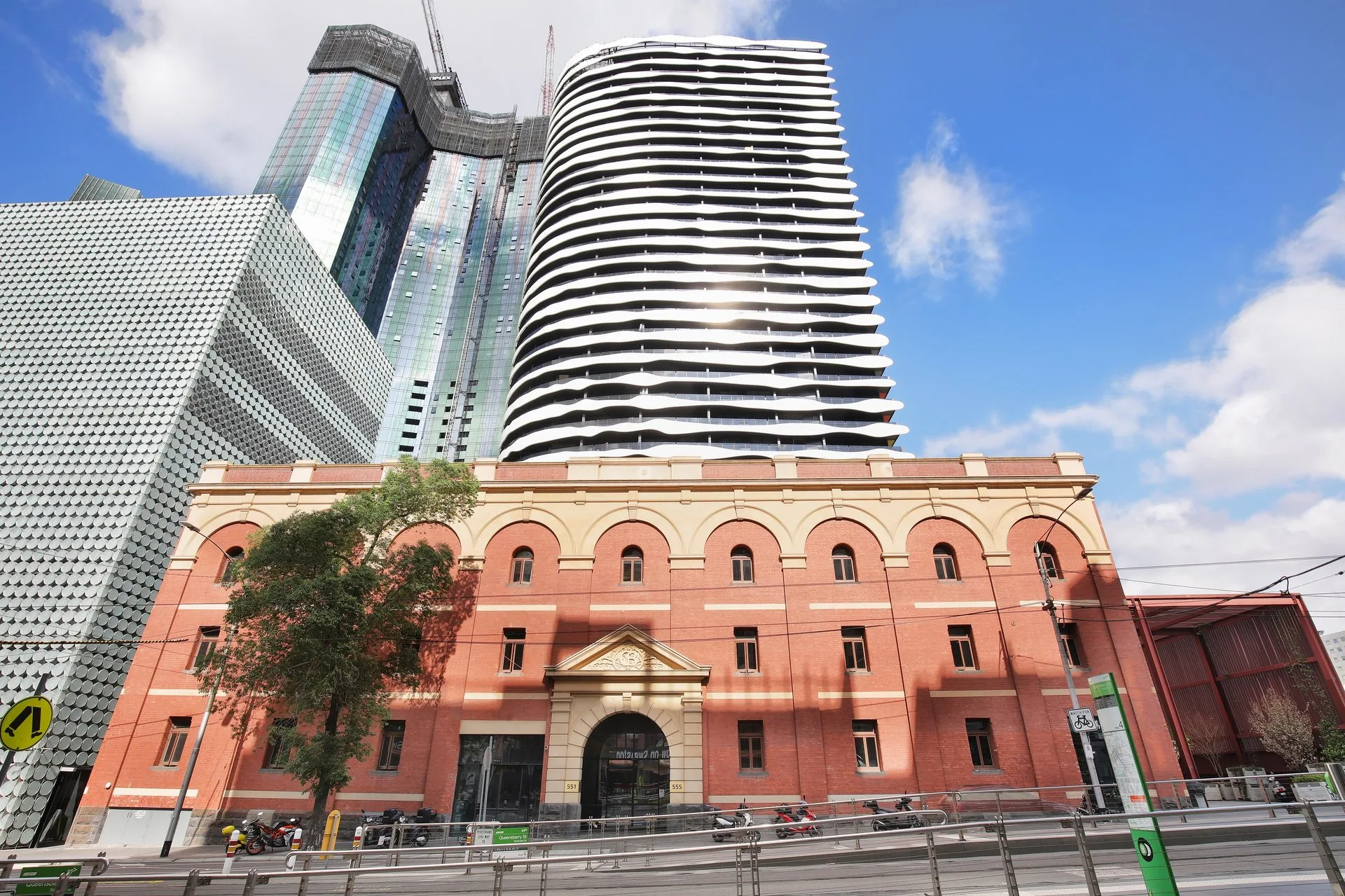
The property sits close to the alignment of the Melbourne Metro Tunnel, one of Australia's largest infrastructure projects. Large-scale tunnelling projects inevitably generate questions whenever unusual ground movement is discovered nearby, and on the information initially available, tunnelling-related impacts could not be ruled out.
The Investigation Takes an Unexpected Turn
If the story had ended there, this would have been a fairly typical structural investigation.
But then a new piece of evidence appeared.
After our initial assessment was completed, we were provided with an earlier engineering report prepared by another consultant. That report proposed a completely different explanation.
Rather than blaming tunnelling activities, the report pointed toward a lifting anchor embedded within the slab.
These anchors are often used for moving heavy equipment. In this case, they were thought to have been used when positioning transformers weighing more than five tonnes each. The theory proposed that uplift forces generated during installation had effectively pulled part of the slab upwards, causing the cracking and displacement we were seeing.
And to be honest, it was a good theory.
The lifting anchor was located immediately adjacent to the damaged area.
The damage pattern seemed broadly consistent.
The anchor even showed signs of previous repair work.
This was the moment where the investigation started to feel like an engineering version of a crime drama.
The evidence appeared to be pointing toward a different suspect.
Looking Beyond the Obvious
One of the most important principles in forensic engineering is resisting the temptation to stop investigating once you find a plausible explanation.
A plausible explanation is not necessarily the correct explanation.
Because of the conflicting theories, we undertook a follow-up inspection to gather additional evidence and better understand what had actually happened.
During discussions with stakeholders, we learned of a historical event that had not been available during the original assessment.
Several stakeholders described an incident that reportedly occurred during Metro Tunnel construction works. According to those accounts, pressurised cementitious slurry had entered the substation area and been ejected into the room.
For readers unfamiliar with the term, slurry is essentially a mixture of water and cementitious material. Under pressure, it can behave in surprisingly powerful ways.
At this stage, however, we still didn't know whether that historical account was relevant to the damage.
So we went looking for physical evidence.
The Moment Everything Clicked
Every forensic investigation has a moment where the individual pieces start fitting together.
For this project, that moment occurred during the second inspection.
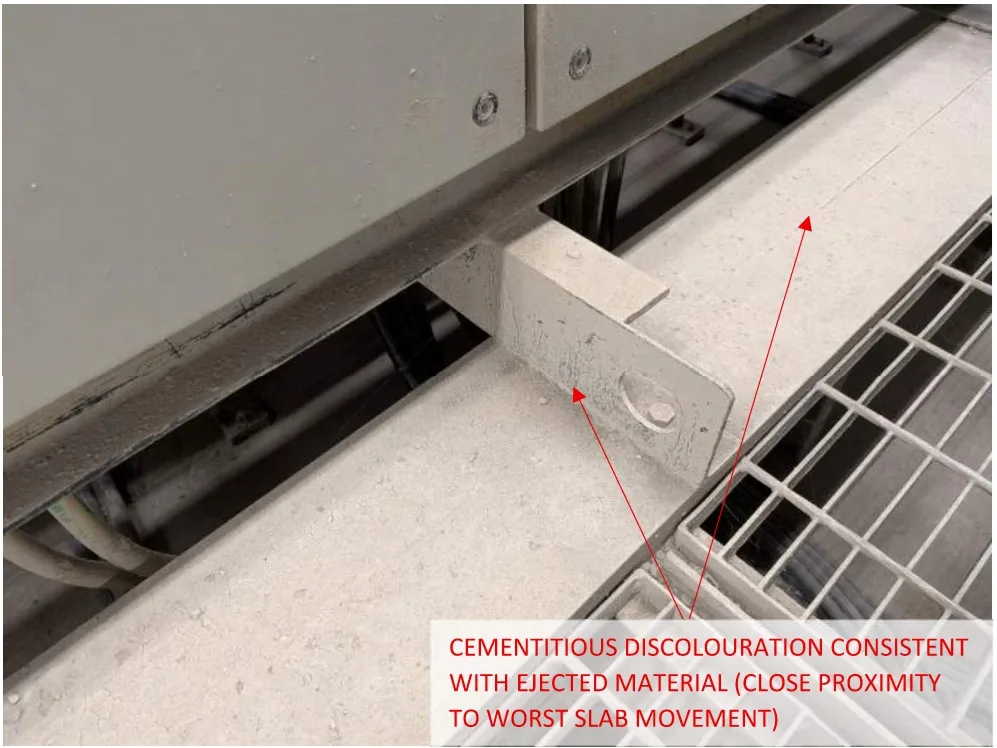
As we looked more closely, we began noticing cementitious staining and residue concentrated around the area of greatest slab damage. Similar residue was present on conduits, electrical infrastructure and equipment inside the substation.
More importantly, the staining patterns weren't randomly distributed.
They appeared localised around the damaged zone.
Areas further away displayed noticeably less contamination.
At that point, the story started making sense.
If the damage had occurred solely during transformer installation, it was difficult to explain why cementitious material appeared to have been deposited onto equipment that had already been installed. The timing didn't line up particularly well with the lifting-anchor theory.
However, if pressurised slurry had migrated beneath the slab, accumulated pressure, lifted the slab upwards and then been expelled into the room, the observations suddenly became much more consistent with the physical evidence we were seeing.
It was the closest thing this project had to a smoking gun.
What We Ultimately Found
Based on the additional information gathered during the second investigation, our opinion shifted.
While the lifting-anchor theory remained technically possible, we concluded that a historical slurry intrusion event was the more probable cause of the observed damage.
Our assessment was that the following sequence was the most likely explanation:
Pressurised slurry migrated beneath the floor slab.
Pressure built up beneath the slab.
Upward forces developed.
The slab cracked and lifted.
Slurry was expelled into the room, leaving behind the residue and staining patterns observed during the follow-up investigation.
What makes this particularly interesting is that the eventual conclusion wasn't based on a single crack, measurement or calculation.
It was based on a collection of clues.
Each clue on its own wasn't enough.
Together, they told a story.
Was the Building Unsafe?
Fortunately, this part of the story had a positive outcome.
Although the damage appeared dramatic, our investigation suggested that it was historical rather than ongoing. Stakeholders indicated that the condition had existed for an extended period, and we identified no evidence that active movement was continuing at the time of our follow-up inspection.
The transformers remained operational.
No evidence of imminent structural failure was identified.
The primary concerns related to long-term durability, future maintenance, exposed reinforcement and local trip hazards rather than immediate structural collapse.
This is an important lesson for property owners.
Large cracks can certainly indicate serious issues.
But they do not automatically mean a building is unsafe.
Understanding whether damage is active, historic, progressing or stable is often just as important as the damage itself.
The Real Lesson for Building Owners
Perhaps the most valuable lesson from this project has nothing to do with concrete, cracking or tunnels.
It's about records.
One reason this investigation generated such concern is that the damage had effectively been rediscovered.
A building changes hands.
Personnel move on.
Reports get filed away.
Years later, somebody enters an area that hasn't been inspected recently and suddenly finds a large crack.
From their perspective, it appears new.
Naturally, alarm bells start ringing.
However, if photographic records, defect registers and historical inspection information are maintained, building owners can often answer an important question immediately:
Has this changed?
Or are we simply looking at a known condition that has already stabilised?
In many cases, that knowledge alone can save considerable stress, time and expense.
Why We Love This Type of Investigation
One reason forensic engineering is so rewarding is that reality doesn't always follow the most obvious path.
Sometimes the first theory is correct.
Sometimes the second theory is correct.
And sometimes the answer only appears when you revisit the evidence and look at it from a different perspective.
This project reminded us that engineering investigations are often less about calculations and more about observation.
The clues are usually there.
The challenge is recognising which clues actually matter.
Outcome
Based on the evidence available, we concluded that a historical slurry intrusion event represented the most probable cause of the observed slab uplift and cracking. The condition appeared stable, the immediate structural risk was considered low, and a monitoring-based management strategy was recommended rather than immediate invasive remediation.
To us, the most interesting part wasn't the crack itself.
It was how close the investigation came to heading in the wrong direction.
Because sometimes in engineering, just like in detective stories, the obvious suspect isn't guilty after all.
Key Takeaways
Significant cracking does not automatically mean a structure is unsafe.
The most obvious cause is not always the correct cause.
Physical evidence is often more valuable than assumptions.
Historical records can dramatically reduce uncertainty during future investigations.
Understanding whether damage is active or stable is critical before deciding on remediation.
Forensic engineering often relies as much on observation and reasoning as it does on calculations.
Tagged
Never miss a new insight.
Receive email notifications when new articles, project lessons and technical insights are published.
Leave a message.
A thought, a question or a correction on this article — it comes straight to our team. Messages are reviewed by us before they appear beneath the article.
Tell us about your building.
Can’t find the answer you’re looking for? Tell us about your building, project or challenge and we’ll help point you in the right direction.
About The Author

Quentin Suckling
Director - Structural Engineering
Quentin Suckling is the Director and Principal Structural Engineer at Sheer Force Engineering. Passionate about heritage preservation and adaptive reuse, he enjoys understanding how buildings behave and helping clients unlock the potential within existing structures. Through these articles he shares practical lessons from projects, investigations and engineering practice.