
Forensic Structural Engineer Melbourne: The Balcony Investigation that Changed Everything
What started as a routine balcony waterproofing project quickly turned into something far more complex. After demolition works exposed unexpected cracking and excessive deflection, our investigation uncovered a series of hidden issues that had likely been present for decades. Through slab scanning, concrete core testing, structural analysis and forensic investigation, we discovered that multiple small defects had combined to create a much larger structural concern. This project highlights how forensic engineering often reveals a very different story beneath the surface.
Quentin Suckling · September 2026 · 12 min read
Most forensic investigations don't start with a dramatic structural failure.
In fact, this one started with a waterproofing project.
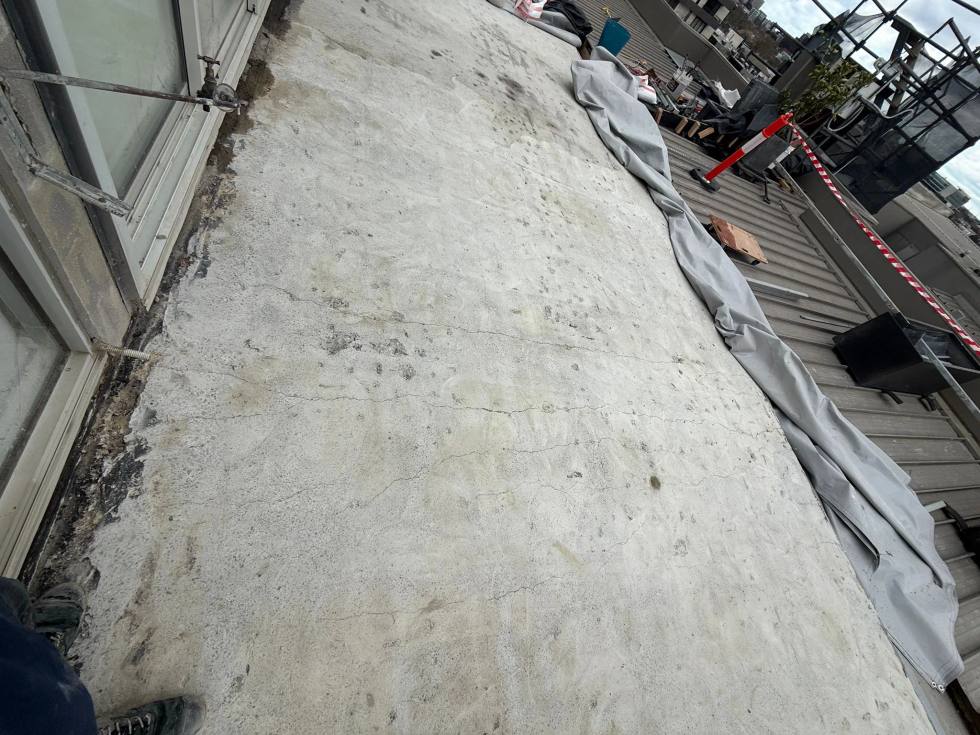
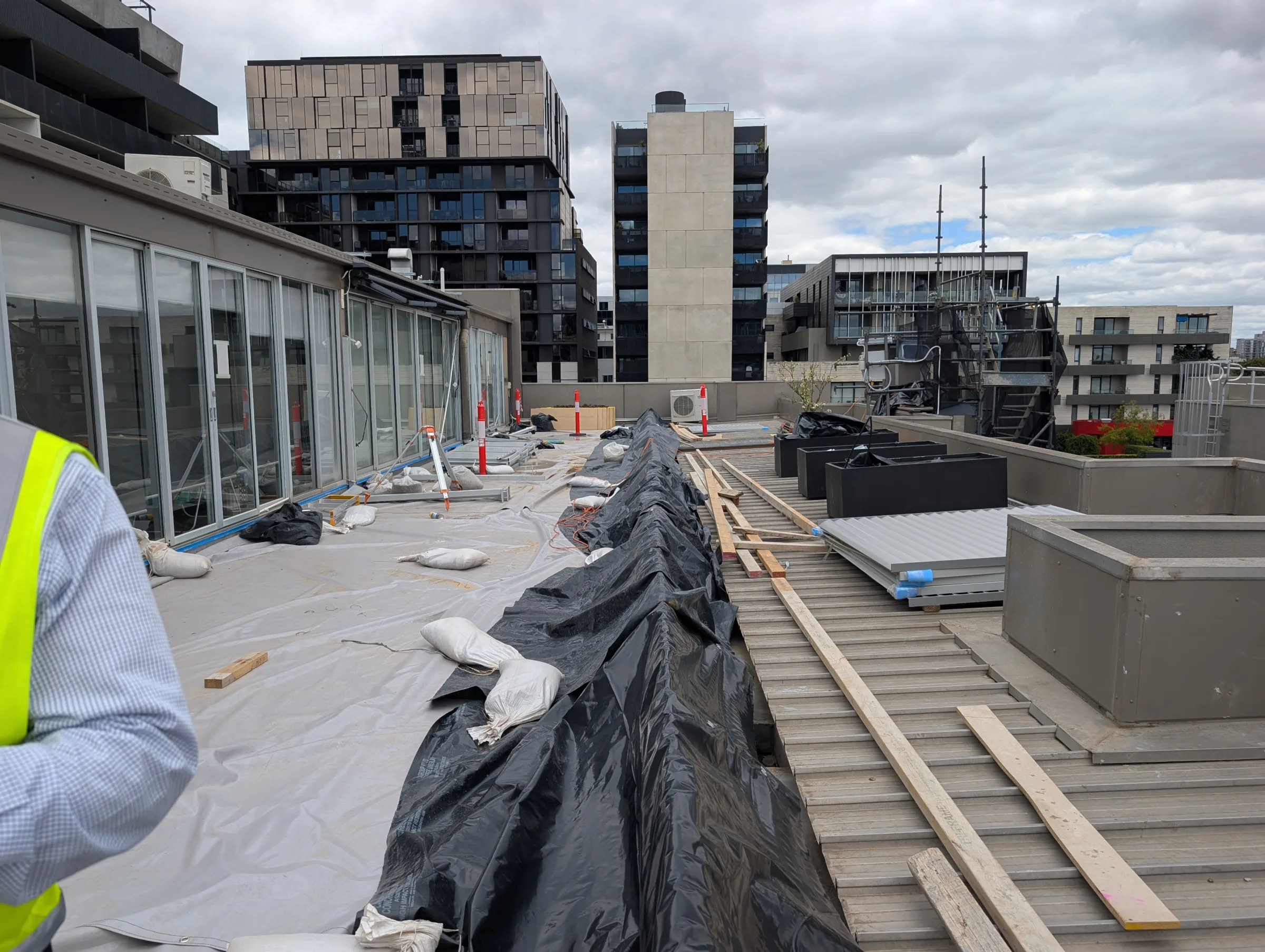
The building had experienced ongoing water ingress issues and remediation works were underway. Existing tiles, screeds and waterproofing systems had been removed as part of the refurbishment process when the builder contacted us with a concern.
"Can you come and have a look at something?"
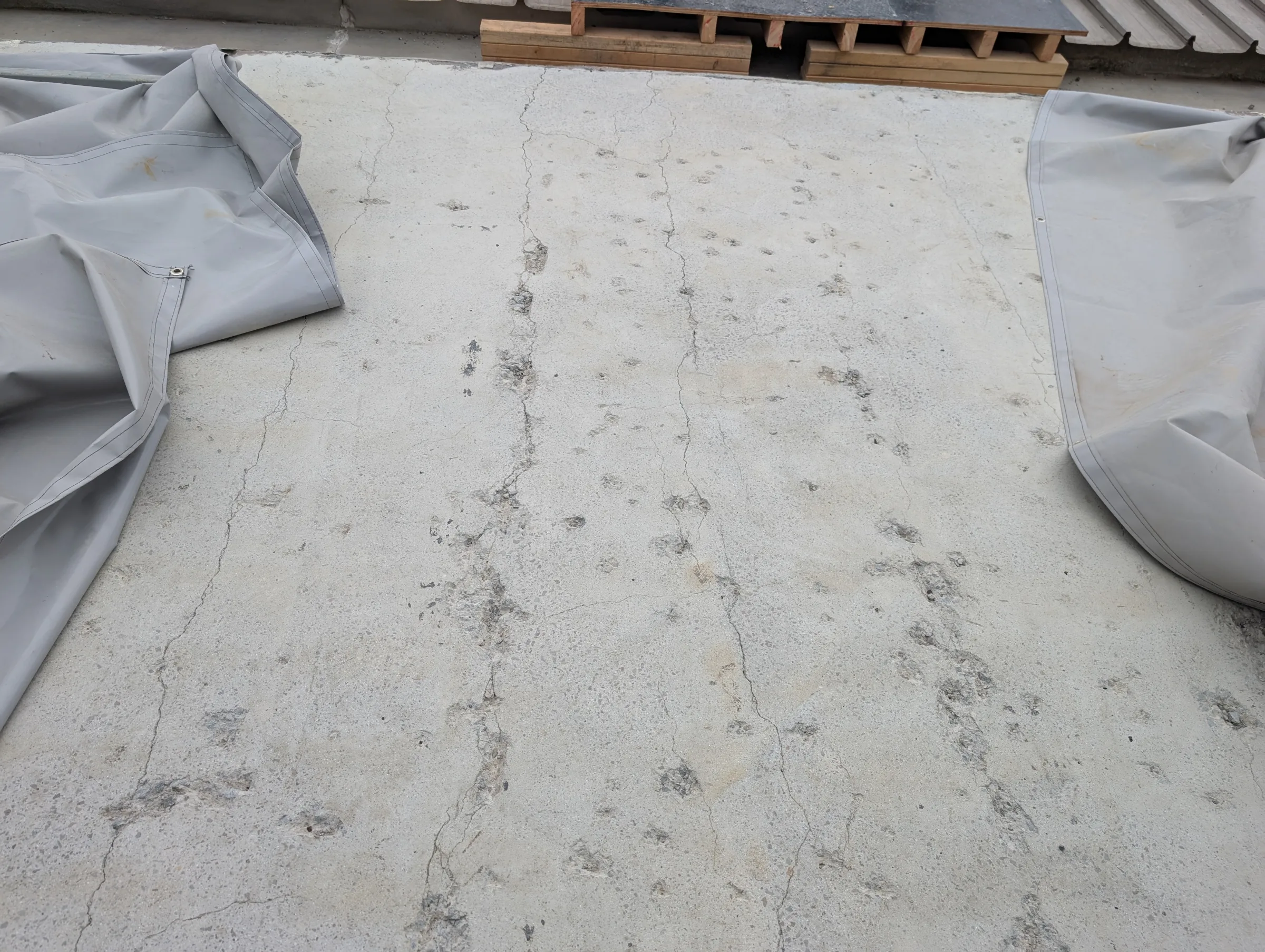
The builder had noticed cracking within the balcony slab and what appeared to be excessive deflection. In simple terms, the slab appeared to be sagging more than we would normally expect.
At that stage, nobody was talking about forensic investigations, concrete testing or structural strengthening.
The concern was simply:
Why is this balcony cracked, and why does it appear to be deflecting so much?
That question led us down a path that would eventually uncover a series of hidden issues and fundamentally change our understanding of the structure. The investigation ultimately involved slab scanning, concrete core testing, carbonation testing, structural analysis and multiple remediation concepts before arriving at a practical solution.
What Does a Forensic Structural Engineer Actually Do?
Forensic investigations are often commissioned when building owners, managers or contractors are faced with problems that don't have obvious answers. If you're dealing with unexplained cracking, excessive movement, water ingress or structural concerns in an existing building, obtaining an independent engineering assessment early can often help clarify the next steps. If you have a problem with your building, contact us HERE for a chat.
Many people assume a forensic structural engineer becomes involved only after something collapses.
The reality is very different.
Most forensic engineering investigations involve buildings that are still standing and functioning but are showing signs that something may not be right.
These signs might include:
Cracking
Water ingress
Excessive movement
Concrete deterioration
Corrosion
Structural deflection
Our role is rarely to design something new.
Instead, our role is to investigate existing structures, gather evidence and determine what is actually occurring before recommendations are made.
This project proved why that process is so important.
Initial Observations
When we first attended site, the cracking itself did not immediately suggest a major structural failure.
The cracking pattern appeared consistent with what many engineers would initially consider plausible shrinkage or restraint cracking.
Likewise, the measured deflection raised questions, but our initial assessment suggested we may simply be dealing with a slab that was somewhat flexible rather than dangerously inadequate.
Our preliminary engineering assessment considered that the slab might be under-designed from a serviceability perspective. In other words, it could still be structurally strong enough while exhibiting more movement than would normally be desirable.
At that stage the proposed remediation remained relatively straightforward.
Or so we thought.
The Moment Everything Changed
Every forensic investigation has a moment when the pieces suddenly start fitting together.
For us, that moment involved a drill bit.
As part of our initial remediation concept, we proposed a reinforced concrete edge beam that could help reduce slab deflection. The concept involved drilling and epoxying reinforcement into the slab edge.
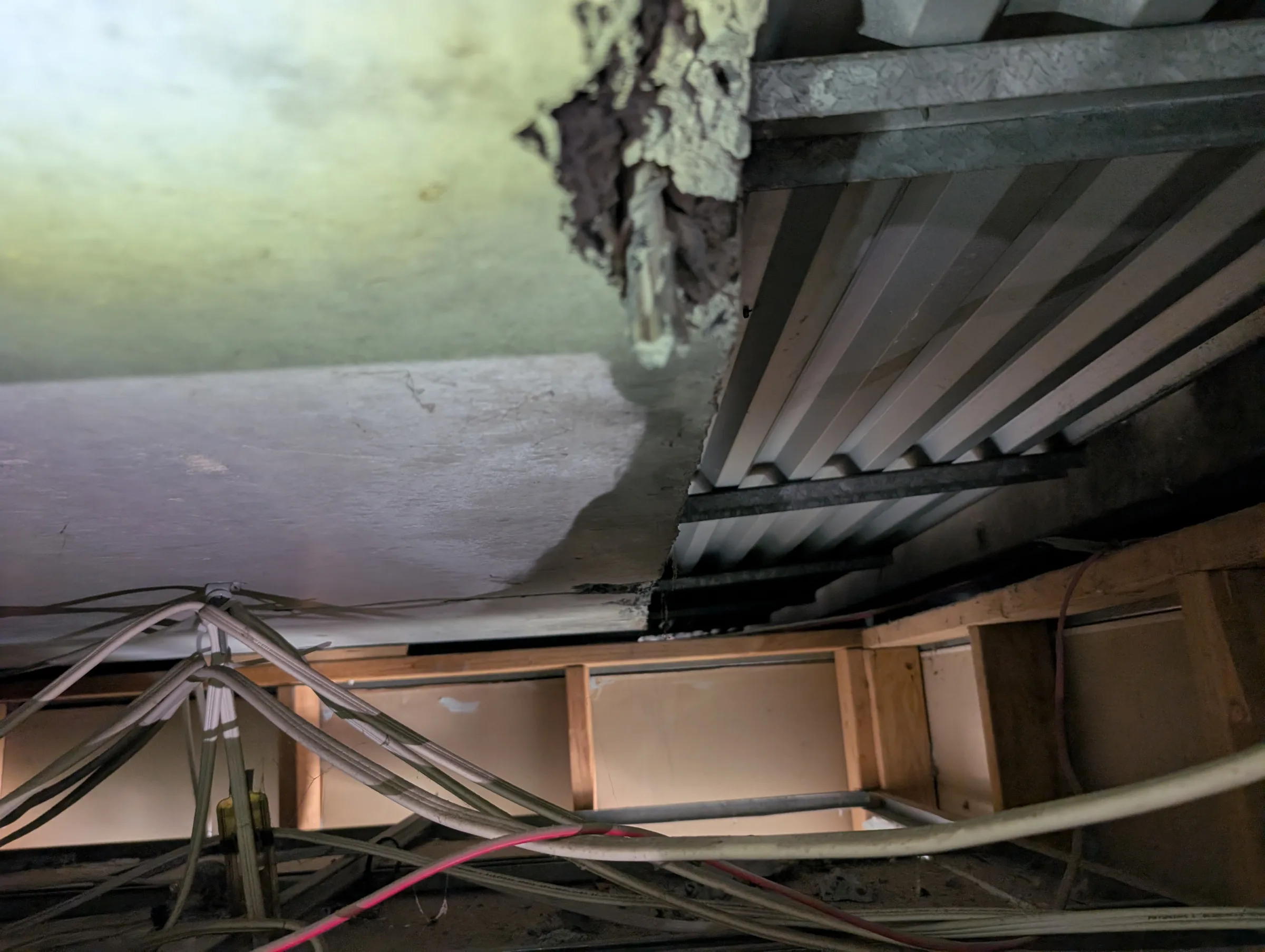
During construction, reports emerged that drilling operations were causing cracking and spalling to the underside of the slab.
Naturally, that raised alarm bells.
We attended site to investigate.
One simple check involved marking the required embedment depth on the drill bit and verifying whether the slab thickness matched what we believed should be present.
Standing beneath the balcony soffit, we watched the drill bit emerge completely through the slab.
Then it happened again.
And again.
Immediately, it became obvious that something wasn't right.
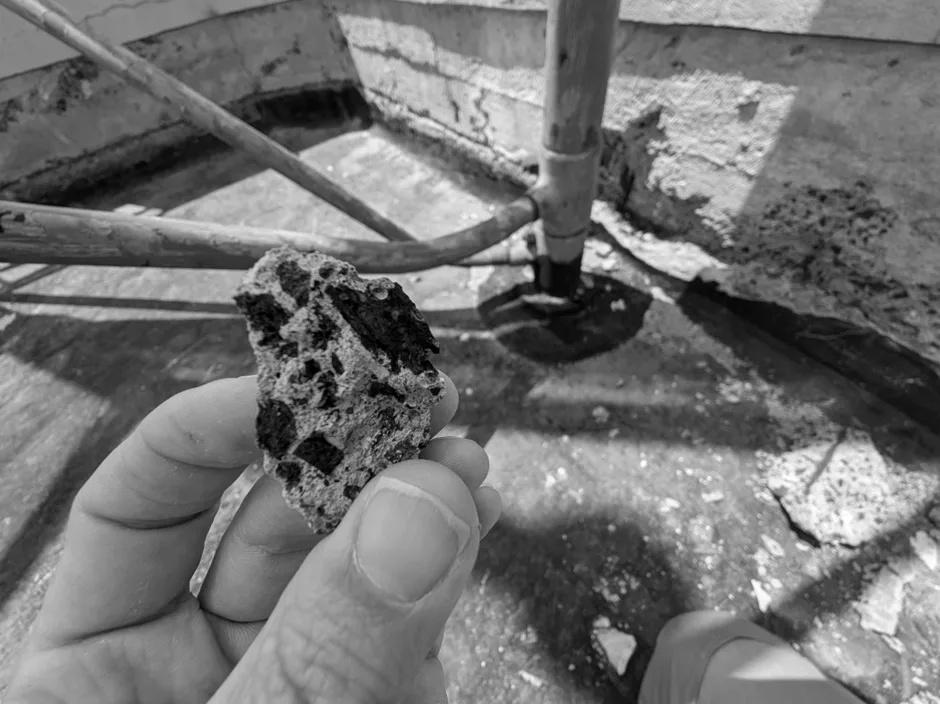
The slab was substantially thinner than we expected.
At that point the investigation changed direction entirely.
Gathering Evidence
Not every building problem requires a major repair program. In our experience, the most valuable first step is often understanding teh cause of the issue before committing to potentially expensive remediation works.
Good forensic engineering relies on evidence rather than assumptions.
We needed to understand exactly what we were dealing with.
The investigation expanded to include:
Slab scanning
Concrete core sampling
Carbonation testing
Reinforcement mapping
Historic document reviews
Detailed structural analysis
Each test provided another piece of the puzzle.
The slab scanning program became particularly important because it allowed us to map slab thicknesses across a large area.
What emerged was revealing.
The issue was not isolated to one location.
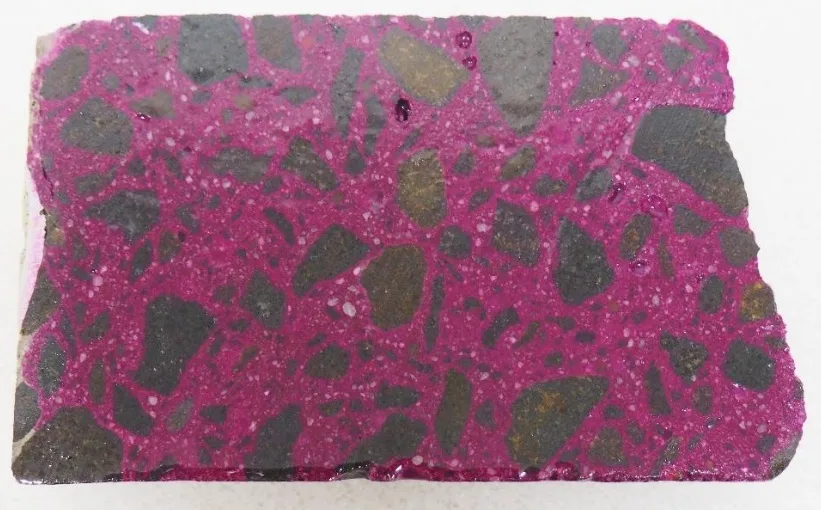
Large portions of the slab appeared thinner than expected. Existing investigations also identified reinforcement placement characteristics and material properties that differed from the assumptions originally adopted during design.
Why One Defect Rarely Tells the Full Story
One of the most interesting lessons from this project was that no single defect appeared to explain everything we were seeing.
Instead, we were dealing with multiple relatively modest issues that had accumulated over time.
The investigation identified factors including:
Reduced slab thickness
Increased reinforcement cover
Concrete strengths lower than the original design assumptions
Additional dead loads from finishes and screeds
Significant long-term slab deflection
Any one of these factors individually may not have been critical.
The challenge was that they were all occurring simultaneously.
Structural engineers often refer to this as a compounding effect.
Buildings possess significant redundancy. That means they can tolerate a certain amount of variation and imperfection without immediately becoming unsafe.
However, when several unfavourable factors stack together, the combined effect can become much more significant than any individual issue.
That was the real story here.
The Heat Map That Told the Story
One of the most powerful tools during the investigation wasn't a calculation.
It was a visualisation.
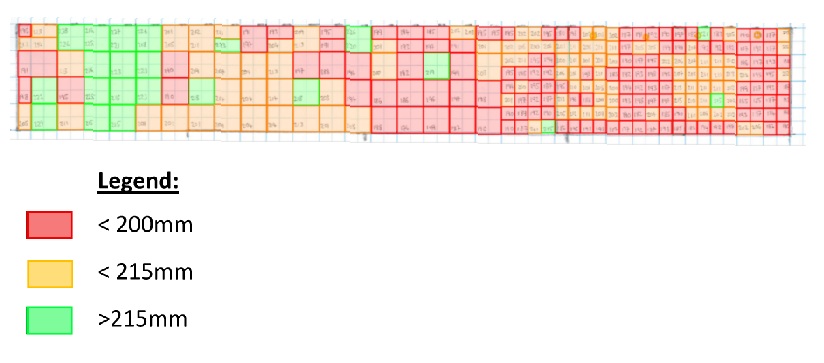
After completing slab scanning, we developed a plan-based assessment showing areas where slab thickness was generally consistent with expectations and areas where it was considerably below expectations.
The resulting map helped transform a highly technical engineering issue into something that owners, contractors and stakeholders could easily understand.
Forensic engineering is often about making hidden conditions visible.
This was a perfect example.
A Common Industry Blind Spot
One lesson from this project continues to stick with us.
During construction, considerable effort is invested in inspecting reinforcement before concrete is poured.
Engineers routinely inspect reinforcement placement, cover requirements and general compliance.
But once concrete is placed, how often does anyone come back and verify the finished structural element actually matches the intended dimensions?
In many projects, that verification never occurs.
This project highlighted how difficult it can be to identify dimensional discrepancies years later unless a detailed investigation is undertaken.
It's not a criticism of the industry.
It's simply a reminder that hidden conditions can sometimes remain hidden for a very long time.
Developing a Practical Solution
As our understanding improved, so did the remediation strategy.
The original strengthening concept involved a substantial reinforced concrete edge beam.
While technically feasible, that solution introduced significant construction challenges.
Additional propping would be required.
Occupants could face disruption.
Construction complexity would increase considerably.
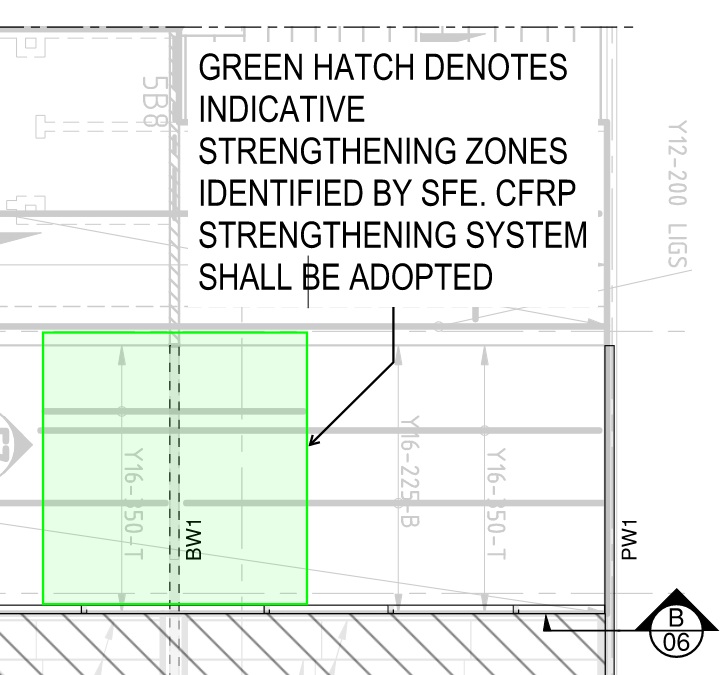
As the investigation progressed, the wider consultant team explored alternative approaches and ultimately developed a less invasive strengthening strategy based on carbon fibre reinforcement while retaining the required structural performance objectives. Carbon fibre strengthening zones were later documented as part of the remediation design.
This outcome demonstrates another important aspect of forensic engineering.
The goal isn't simply finding problems.
The goal is understanding them well enough to develop practical solutions.
Key Lessons for Building Owners
This project provided several valuable lessons.
Cracking Doesn't Always Tell The Whole Story
Visible cracking is often a symptom rather than the root cause.
Understanding why cracking has occurred is far more important than simply repairing it.
Water Problems Can Reveal Structural Problems
The original concern was waterproofing failure.
Without those remediation works, the underlying structural issues may never have been identified.
Multiple Small Issues Can Compound
The investigation demonstrated how several seemingly modest deficiencies can combine to create a much larger engineering concern.
Evidence Matters
Good decisions come from good information.
Testing, scanning and investigation allowed us to move beyond assumptions and make informed engineering decisions.
Existing Buildings Often Hold Surprises
No matter how detailed the drawings may be, existing buildings can sometimes tell a different story once you start investigating.
Outcome
What started as a waterproofing remediation project ultimately evolved into a detailed forensic structural investigation.
Through testing, analysis and ongoing collaboration with stakeholders, we developed a clearer understanding of the building's behaviour, identified the key contributing factors, and assisted the project team in developing a practical strengthening strategy.
Most importantly, the investigation demonstrated the value of following the evidence.
Key Lessons for Building Owners
One of the fascinating aspects of forensic engineering is that investigations rarely end where they begin.
This project started as a waterproofing remediation project.
It ultimately developed into a detailed forensic investigation involving structural assessment, destructive testing, material testing, slab scanning, structural analysis and strengthening design.
Looking back on the project, several important lessons stand out.
Small Issues Can Compound Into Bigger Problems
One of the most significant findings from this investigation was that no single issue was solely responsible for the balcony's performance concerns.
Instead, a combination of reduced slab thickness, increased reinforcement cover, lower concrete strength, higher dead loads and long-term deflection all contributed to the final outcome.
Buildings often possess considerable redundancy, but multiple deficiencies occurring together can sometimes create concerns that would not be evident if viewed individually.
Existing Buildings Don't Always Match The Drawings
Drawings tell us how a building was intended to be constructed.
Investigations tell us how it was actually constructed.
Forensic investigations frequently uncover differences between original assumptions and existing conditions. That's why verification, testing and investigation are often critical when assessing older buildings.
Water Problems Can Reveal Hidden Structural Problems
Had the waterproofing works never occurred, there is a reasonable chance that the underlying structural issues may have remained undiscovered for many more years.
What initially appeared to be a waterproofing project ultimately provided an opportunity to better understand the building's structural behaviour.
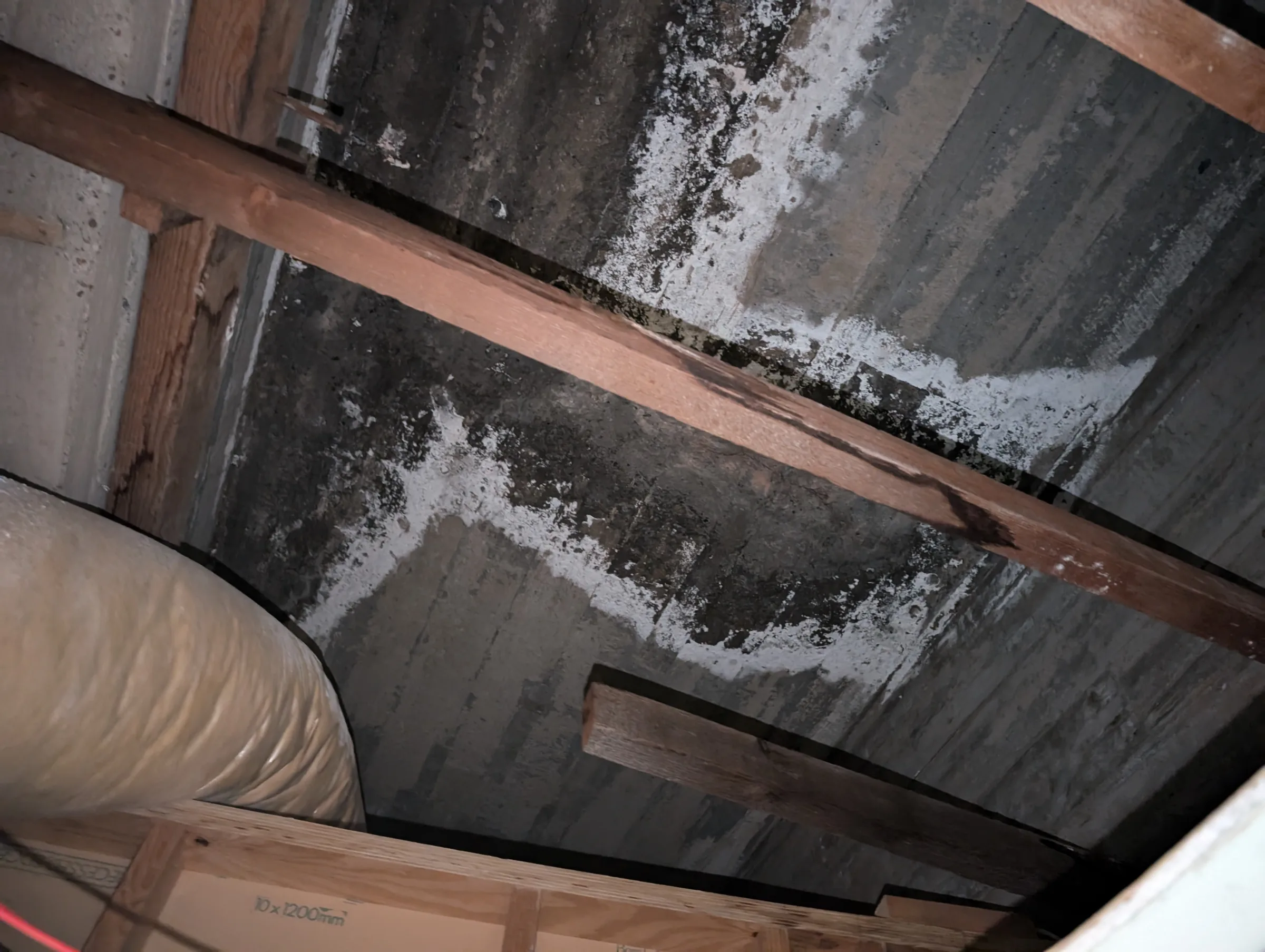
Evidence Is More Valuable Than Assumptions
Perhaps the most important lesson from this project is that engineering decisions are strongest when supported by evidence.
Slab scanning, concrete core testing, carbonation testing and structural analysis all contributed pieces to the puzzle. Collectively, they allowed the project team to move beyond assumptions and make informed decisions based on observed performance and measured data.
The First Solution Isn't Always The Final Solution
As our understanding of the structure evolved, so too did the strengthening approach.
Additional information, testing and collaboration ultimately helped identify a less invasive strengthening strategy than was originally being considered. This is often how forensic engineering works. The better the investigation, the better the eventual solution.
The initial theories weren't entirely wrong.
They simply weren't the full story.
Common Problems Investigated by Forensic Structural Engineers
While every project is different, forensic structural engineers are commonly engaged to investigate cracking, structural movement, excessive deflection, water ingress, concrete deterioration, corrosion of reinforcement, foundation movement, building defects and construction-related issues. The balcony investigation described in this article demonstrates how a seemingly straightforward problem can sometimes reveal a much more complex story beneath the surface.
Frequently Asked Questions About Forensic Structural Engineering
What does a forensic structural engineer do?
A forensic structural engineer investigates existing buildings when something appears unusual, unexpected or potentially defective. Rather than designing new structures, forensic engineers work to identify the underlying causes of cracking, movement, deflection, water ingress, deterioration and other building performance issues. The goal is to understand what is happening before recommendations are made.
When should I engage a forensic structural engineer?
Building owners commonly engage a forensic structural engineer when they observe:
Cracking in walls, slabs or ceilings
Excessive movement or sagging
Water ingress
Concrete deterioration
Corrosion of reinforcement
Structural damage after storms, impacts or flooding
Concerns about the safety or performance of an existing structure
Can cracking indicate a serious structural problem?
Sometimes, but not always.
Cracking can occur for many reasons including shrinkage, temperature changes, settlement, overloading, corrosion or construction defects. The appearance of a crack alone rarely provides enough information to determine the level of risk. Understanding why the crack has formed is usually more important than the crack itself.
What is structural deflection?
Deflection simply refers to movement or bending of a structural element under load.
All structures deflect to some degree. The question is whether the amount of movement is within acceptable limits. Excessive deflection can sometimes indicate that a structure is overloaded, under-designed or affected by construction defects.
How do engineers investigate concealed structural defects?
Forensic investigations often involve a combination of techniques including:
Site inspections
Review of original drawings
Reinforcement scanning
Concrete core sampling
Material testing
Structural analysis
Historical records review
The appropriate approach depends on the type of structure and the questions being investigated.
Can buildings have hidden structural defects for years?
Yes.
One of the interesting aspects of forensic engineering is that some defects can remain concealed for many years before becoming apparent. Changes in loading, renovations, deterioration, water ingress or refurbishment works can sometimes expose issues that previously went unnoticed.
What is concrete core testing?
Concrete core testing involves extracting small cylindrical samples from an existing structure.
These samples allow engineers to assess properties such as:
Concrete strength
Thickness
Construction quality
Material condition
The information helps verify whether the structure performs as expected.
Does a building defect always require major strengthening works?
Not necessarily.
One of the most important outcomes of a forensic investigation is understanding the severity of the issue. Some defects may require significant intervention, while others can be addressed through targeted repairs, monitoring or relatively minor strengthening measures.
Can forensic engineering investigations save money?
Often, yes.
While investigations involve an upfront cost, they frequently help ensure that remediation works address the actual cause of a problem rather than the symptoms. Understanding the underlying issue can sometimes prevent unnecessary or overly invasive repairs.
What's the difference between a structural inspection and a forensic investigation?
A structural inspection is typically focused on identifying visible issues and assessing the general condition of a building.
A forensic investigation goes a step further by determining why those issues occurred, what risks they present and what actions may be required to address them.
Concerned About An Existing Building Problem?
Cracking, excessive movement, water ingress, deteriorating concrete and structural defects can often have multiple potential causes. While the symptoms may appear obvious, the underlying mechanism isn't always immediately clear.
A forensic investigation can help establish what is actually occurring, whether a genuine structural concern exists and what options may be available moving forward.
Start a conversation with our team to discuss your building and the issues you're observing.
Final Thoughts
One of the reasons we enjoy forensic engineering is that every building has a story to tell.
Sometimes the story is obvious.
Other times the clues are buried beneath layers of finishes, hidden construction details and decades of assumptions.
This project began with water ingress and cracking. It eventually uncovered a combination of hidden construction deficiencies, material variations and structural behaviour that would have been impossible to fully understand without a detailed investigation.
The experience reinforced a lesson we see time and time again when working with existing buildings:
The visible symptoms are often only a small part of the story.
The real value in forensic engineering lies in understanding what is happening beneath the surface, identifying the factors driving the behaviour and developing practical solutions that are informed by evidence rather than assumptions.
In many respects, that's exactly what this investigation became. Not simply a repair project, but a process of uncovering what the building was really trying to tell us.
Tagged
Never miss a new insight.
Receive email notifications when new articles, project lessons and technical insights are published.
Leave a message.
A thought, a question or a correction on this article — it comes straight to our team. Messages are reviewed by us before they appear beneath the article.
Tell us about your building.
Can’t find the answer you’re looking for? Tell us about your building, project or challenge and we’ll help point you in the right direction.
About The Author

Quentin Suckling
Director - Structural Engineering
Quentin Suckling is the Director and Principal Structural Engineer at Sheer Force Engineering. Passionate about heritage preservation and adaptive reuse, he enjoys understanding how buildings behave and helping clients unlock the potential within existing structures. Through these articles he shares practical lessons from projects, investigations and engineering practice.