
Heritage Structural Engineer Melbourne: Understanding, Preserving and Adapting Existing Buildings
Heritage buildings present unique opportunities and challenges. Whether you're planning renovations, investigating structural concerns, adapting a building for a new use or seeking to preserve an important historic asset, understanding the existing structure is critical. In this article, we explore what a heritage structural engineer does, common structural issues found in heritage buildings, and how specialist engineering advice can help preserve heritage significance while ensuring buildings remain safe, functional and fit for modern use.
Quentin Suckling · September 2026 · 8 min read
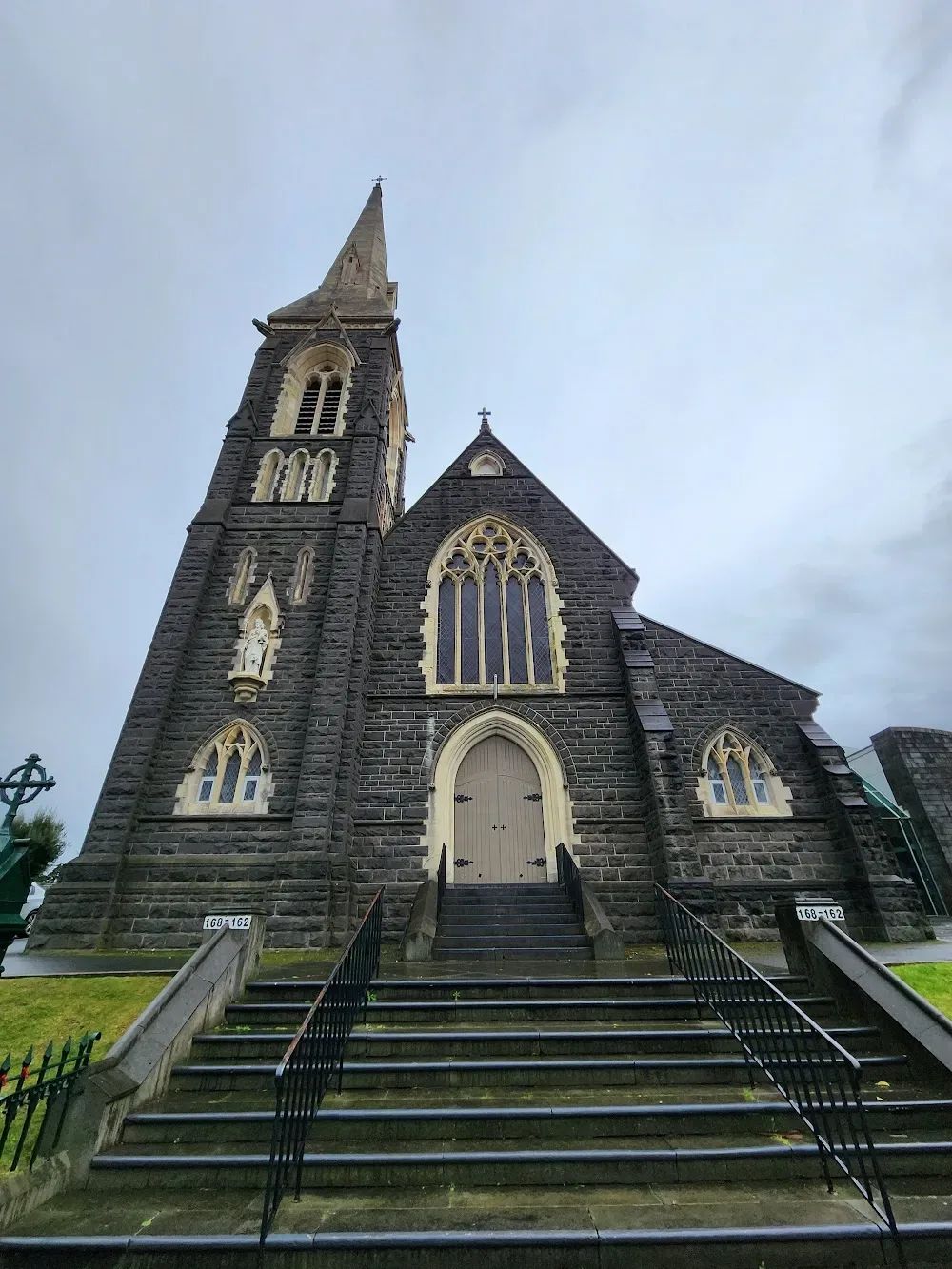
Most buildings worth preserving already exist.
Across Melbourne and regional Victoria, heritage buildings form an important part of our built environment. From Victorian terraces and Edwardian homes through to churches, courthouses, drill halls, warehouses and civic buildings, these structures tell the story of how our communities evolved over time.
However, heritage buildings also present challenges that differ significantly from modern construction.
Many heritage structures have undergone decades of weathering, alterations, repairs and changes of use. Original documentation is often incomplete, structural systems may not perform as expected, and hidden deterioration can remain concealed until investigations are undertaken.
This is where a heritage structural engineer plays a critical role.
What Does a Heritage Structural Engineer Do?
If you're planning works to a heritage building or are concerned about the condition of an existing structure, our team can assist with heritage building assessments, structural investigations and engineering advice CONTACT US to discuss your project.
A heritage structural engineer specialises in assessing, preserving, adapting and improving existing heritage structures.
Unlike new buildings, heritage assets rarely provide straightforward answers.
Documentation may be incomplete. Previous alterations may not be recorded. Construction techniques often differ significantly from contemporary engineering practices.
A heritage structural engineer helps building owners, architects, heritage consultants, project managers and government agencies understand:
How a building was originally constructed.
How the structure performs today.
Whether deterioration is occurring.
Whether proposed modifications are feasible.
How repairs or upgrades can be undertaken while respecting heritage significance.
At Sheer Force Engineering, our work regularly involves structural investigations, condition assessments, remediation design, adaptive reuse projects and building defect investigations across a broad range of heritage assets.
Common Structural Challenges in Heritage Buildings
One of the biggest misconceptions about heritage buildings is that every defect indicates major structural problems.
In reality, many heritage structures have survived for over a century and continue to perform remarkably well.
However, heritage buildings often experience recurring structural challenges including:
Cracking and Movement
Cracking in masonry walls is one of the most common concerns raised by building owners.
Cracking may result from:
Building settlement
Thermal movement
Moisture changes
Previous alterations
Deterioration of supporting elements
Understanding the underlying cause is significantly more important than simply repairing the visible crack.
Timber Deterioration
Many heritage buildings rely on timber framing systems.
Common issues include:
Termite damage
Decay
Moisture-related deterioration
Historical overloading
Importantly, timber affected by damage does not always require complete replacement.
In many cases, targeted repairs or strengthening can preserve significant heritage fabric.
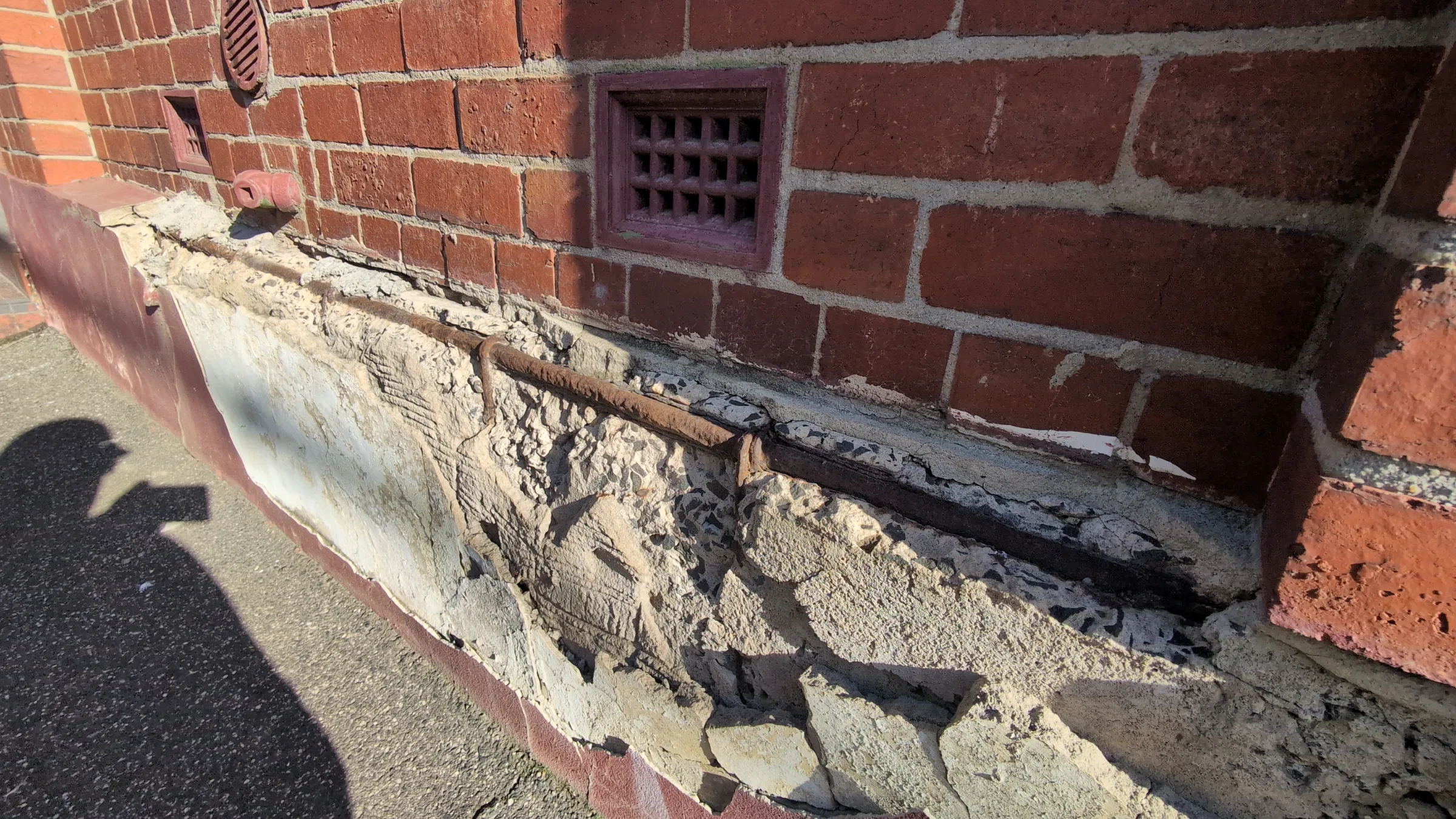
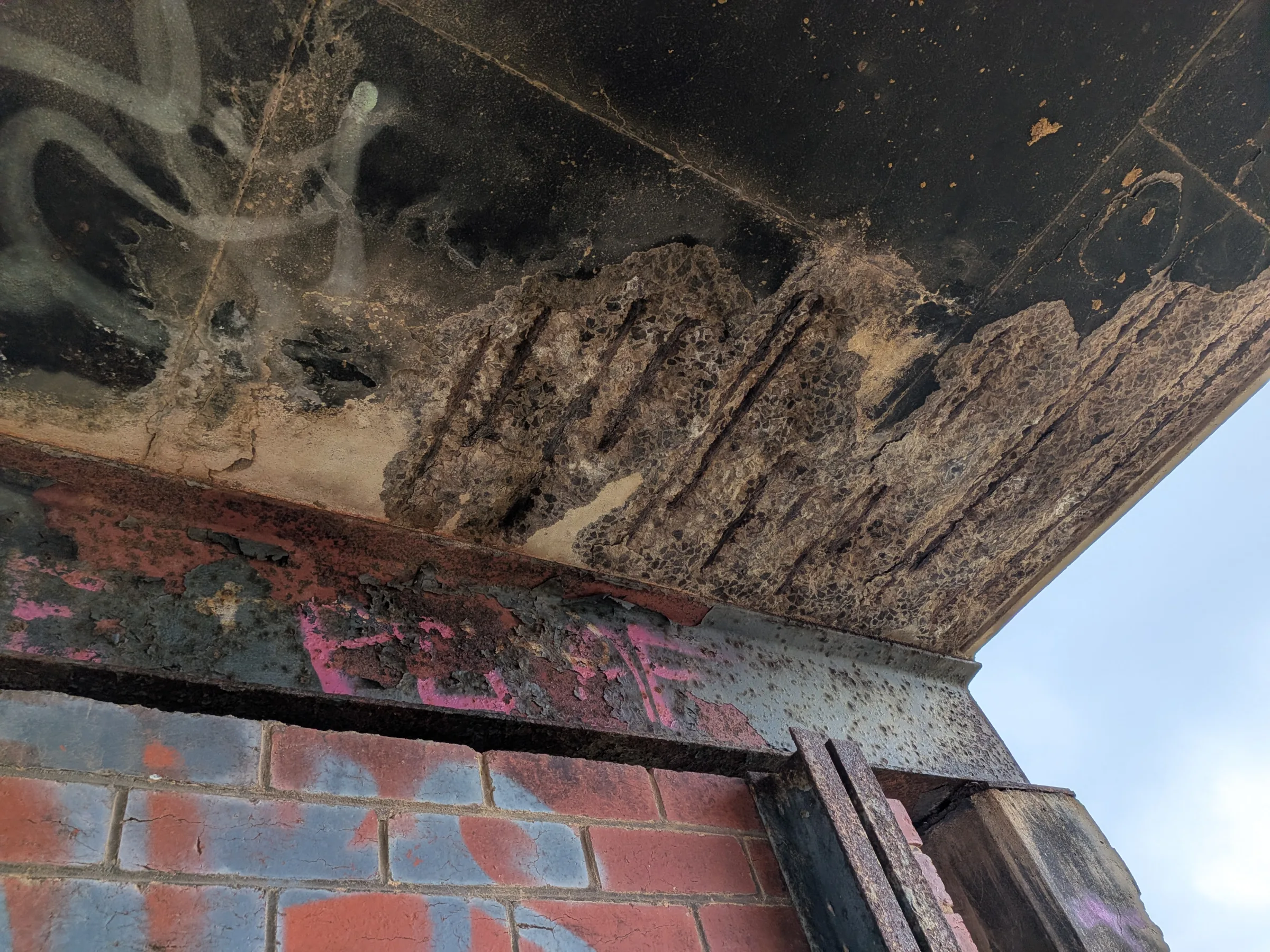
Corrosion of Steel Elements
Older steel members frequently experience corrosion where moisture ingress has occurred.
This issue is particularly common in:
Heritage façades
Balconies
Awning systems
Alterations and Structural Capacity
Many heritage buildings were never designed for modern loadings or modern building uses.
Questions frequently arise regarding:
New openings
Building extensions
Rooftop plant
Lift installations
Accessibility upgrades
Change of use
Specialist structural assessment is often required before these changes can be implemented safely.
Can Heritage Buildings Be Modified By A Structural Engineer?
Absolutely.
In fact, many of Melbourne's most successful buildings have undergone extensive adaptation throughout their history.
The goal of heritage structural engineering is not to prevent change.
The goal is to manage change appropriately.
Modern requirements often include:
Accessibility improvements
Additional services
Structural strengthening
New building uses
Building code compliance upgrades
The most successful projects preserve the character and significance of the building while allowing it to continue serving the needs of modern occupants.
This process is commonly known as adaptive reuse.
When Should You Engage a Heritage Structural Engineer?
Every heritage building is different. If you're unsure whether structural engineering advice is required, we're always happy to have an initial conversation about your project and help point you in the right direction [Get in touch with our team.]
You should consider engaging a heritage structural engineer when:
Cracking has appeared in masonry walls.
Building movement is suspected.
Structural deterioration has been identified.
Renovation or redevelopment is planned.
Change of use is proposed.
Heritage permit approvals require engineering input.
Structural capacity is uncertain.
Damage has occurred due to fire, storm, impact or flooding.
A condition assessment is required.
Early engineering involvement frequently helps identify risks before they become expensive problems.
Heritage Building Types We Commonly Assess
Heritage engineering extends far beyond residential properties.
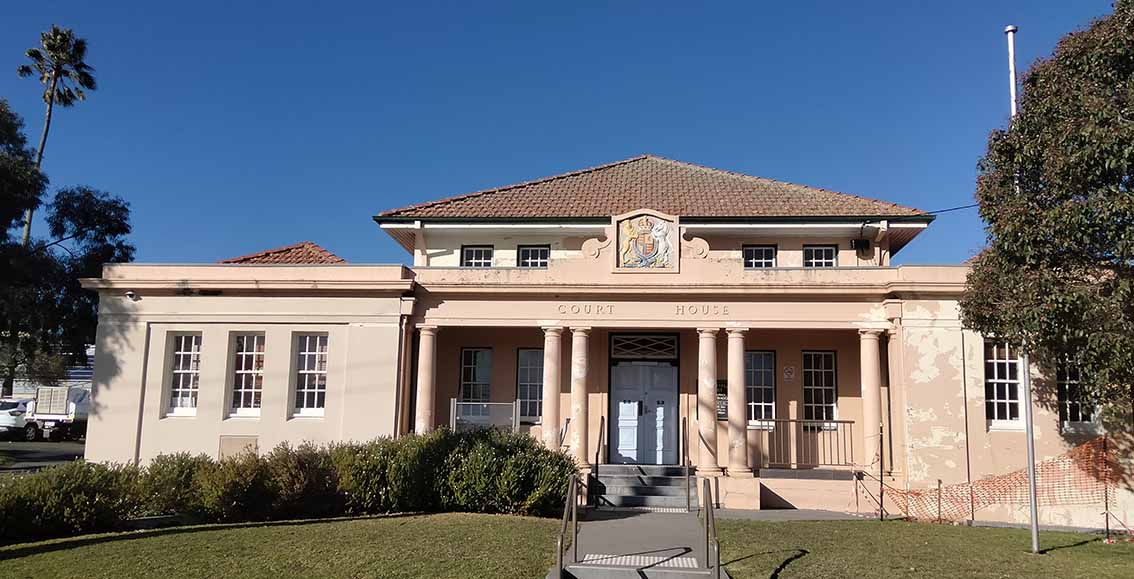
Our team has assessed, investigated and supported the adaptation of a wide range of heritage buildings across Victoria, including churches, courthouses, heritage commercial buildings and adaptive reuse developments. Our experience includes assessment and remediation projects involving:
Heritage courthouses and civic buildings civil buildings.
Heritage commercial buildings.
Drill halls and military buildings.
Historic warehouses and industrial facilities.
Heritage residential buildings and estates.
Heritage facades and retention projects.
Adaptive reuse developments.
Significant public and community buildings.
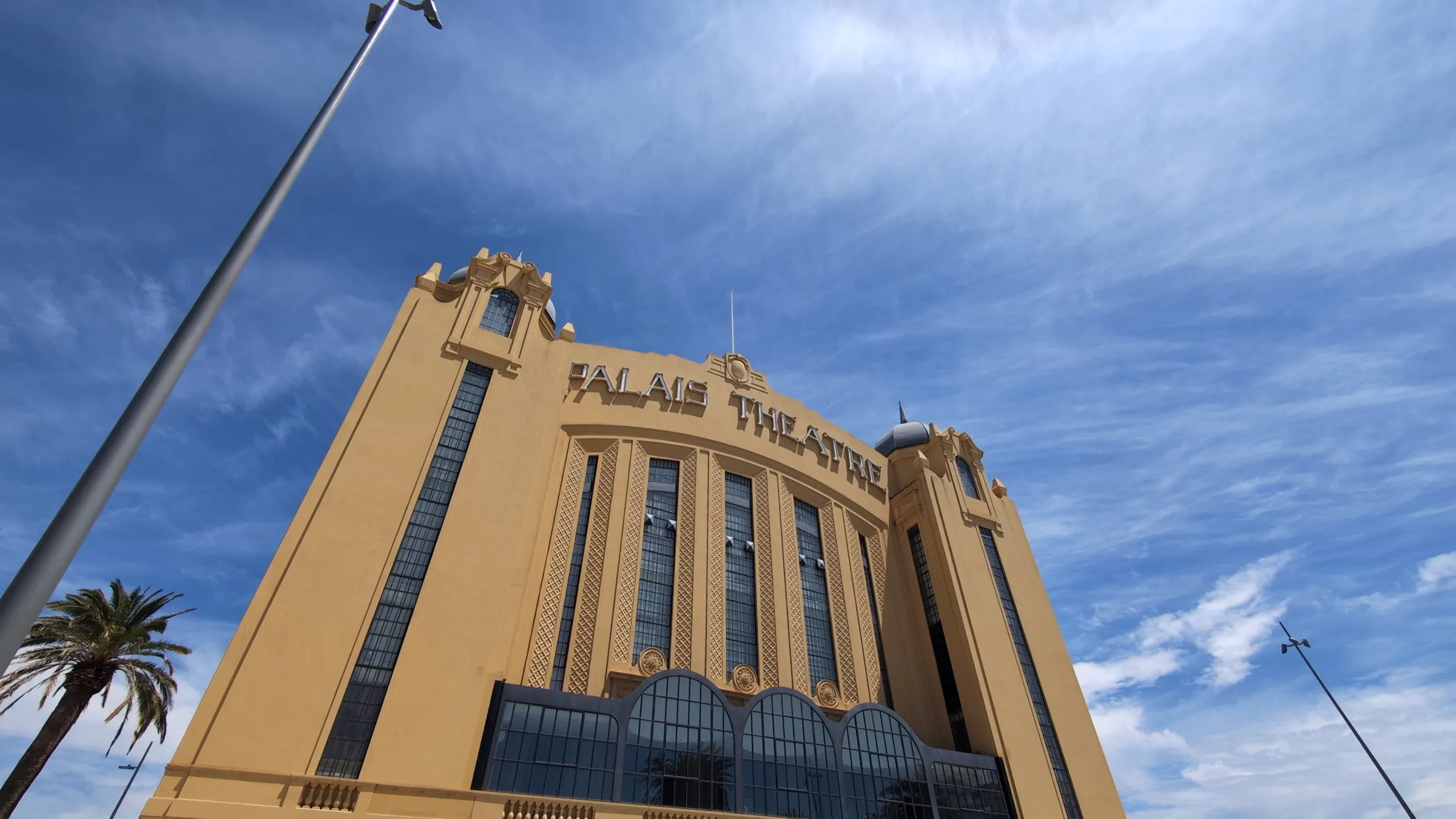
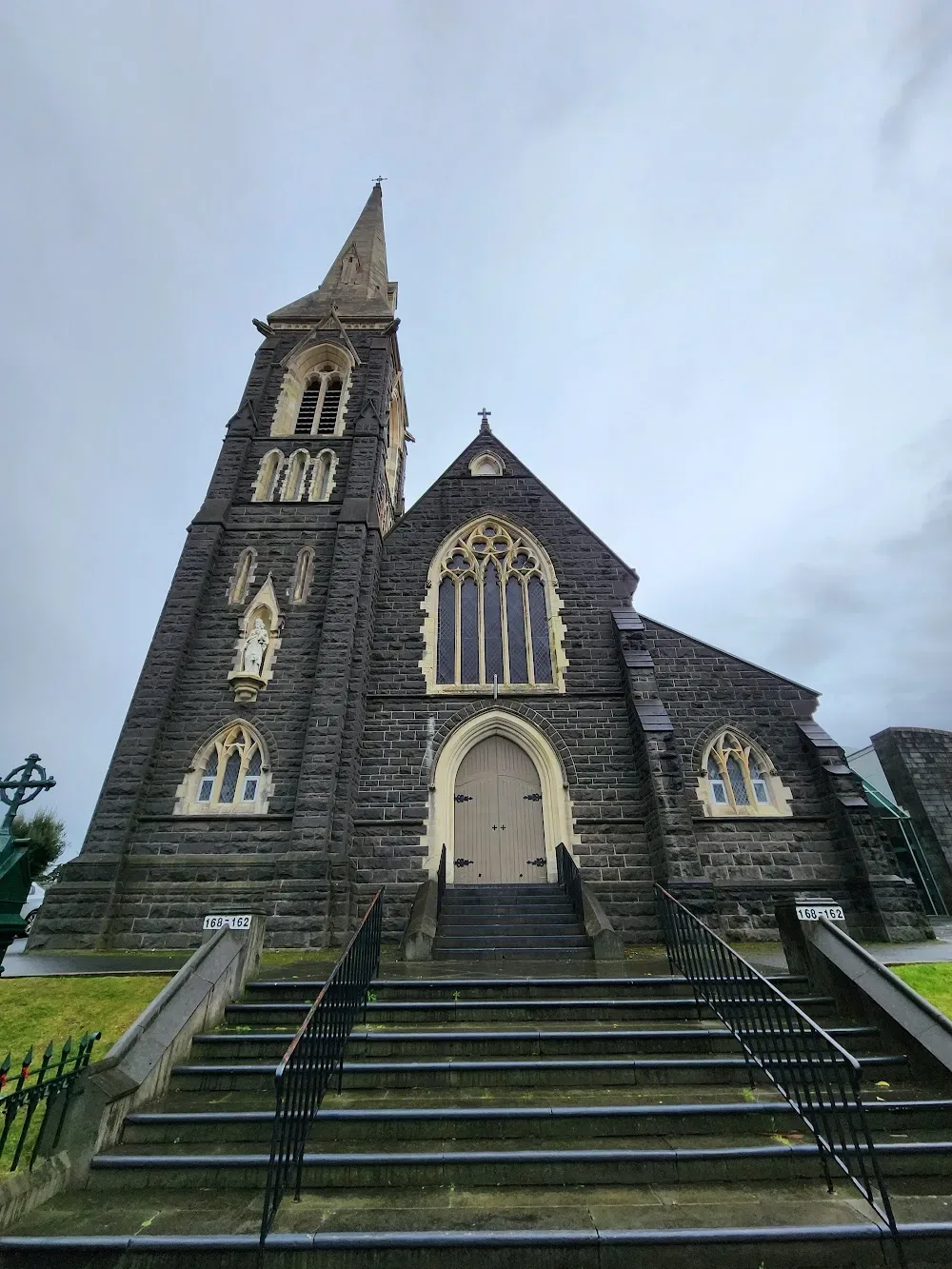
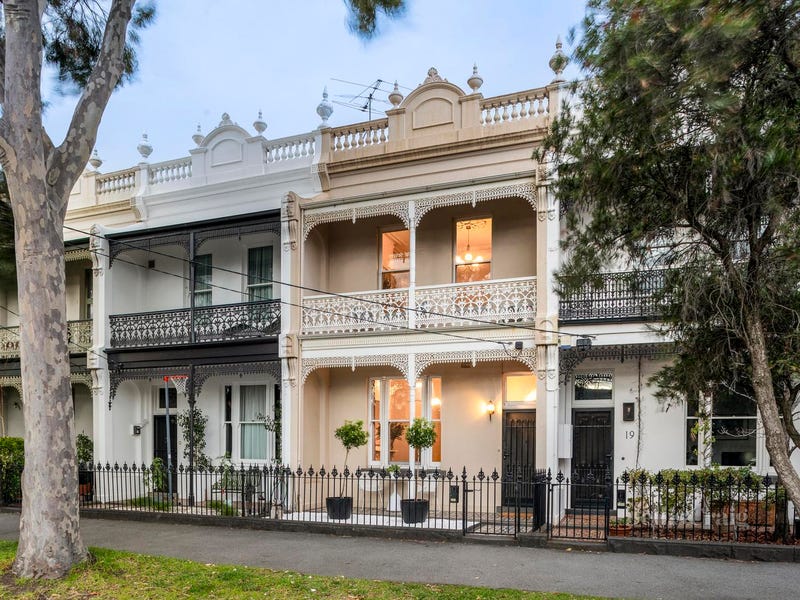
Heritage engineering spans a wide variety of building types and structural systems.
The Importance of Understanding Existing Structures
One of the defining characteristics of heritage structural engineering is that engineering judgement often matters as much as engineering calculations.
Existing buildings rarely come with perfect records.
Hidden conditions, undocumented alterations, previous repairs and historical modifications are common.
This means successful heritage engineering requires:
Investigation.
Observation.
Historical research.
Structural assessment.
Practical construction knowledge.
Understanding what already exists is almost always the first step toward determining what is possible.
Featured Heritage Projects
Former Wesleyan Methodist Church
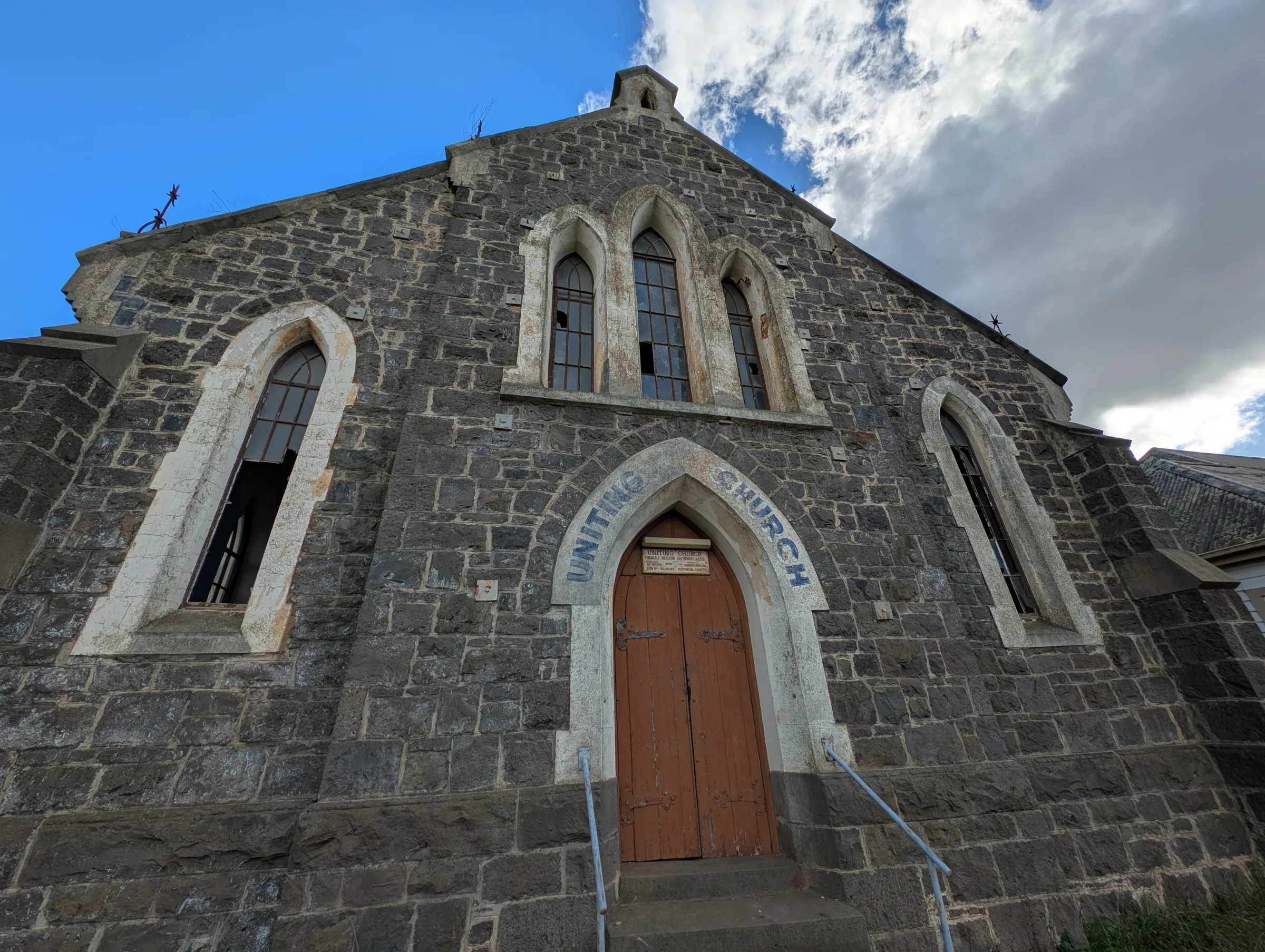
Sheer Force Engineering undertook a detailed condition assessment and structural investigation of the former Wesleyan Methodist Church at 25 Powlett Street, Kilmore. The project addressed long-term movement, foundation-related distress and deterioration within the heritage bluestone structure, establishing a pathway for stabilisation, repair and future adaptive reuse while maximising retention of the building's original fabric.
Click HERE to learn more.
Swann House
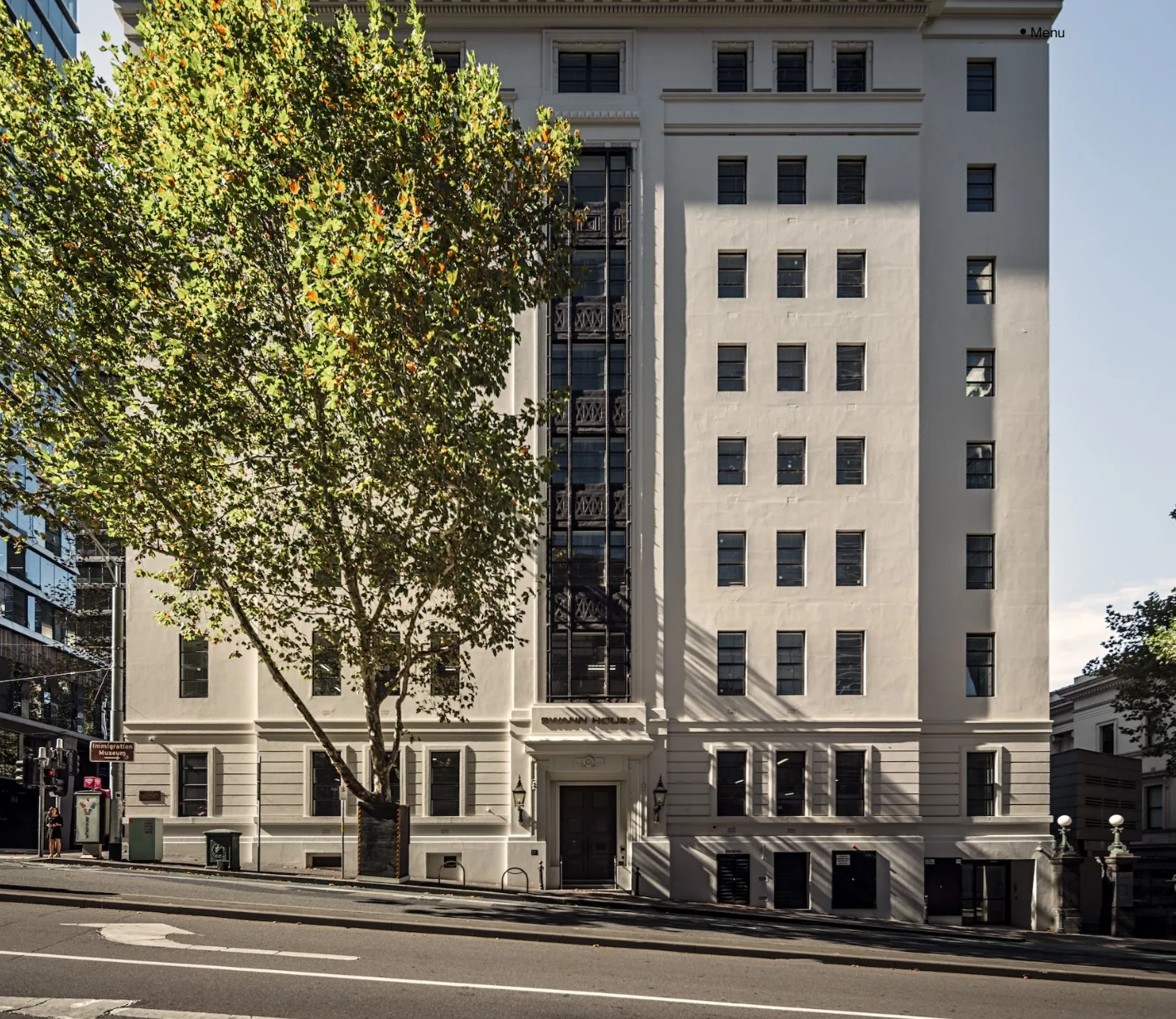
Sheer Force Engineering provided demolition engineering, temporary works design and construction staging advice for the redevelopment of Swann House, a heritage-listed Art Deco commercial building in Melbourne's CBD. The project involved the complex removal and replacement of the existing lift and stair core while enabling broader adaptive reuse, façade renewal and building modifications.
Click HERE to learn more
Doherty's House Cafe'
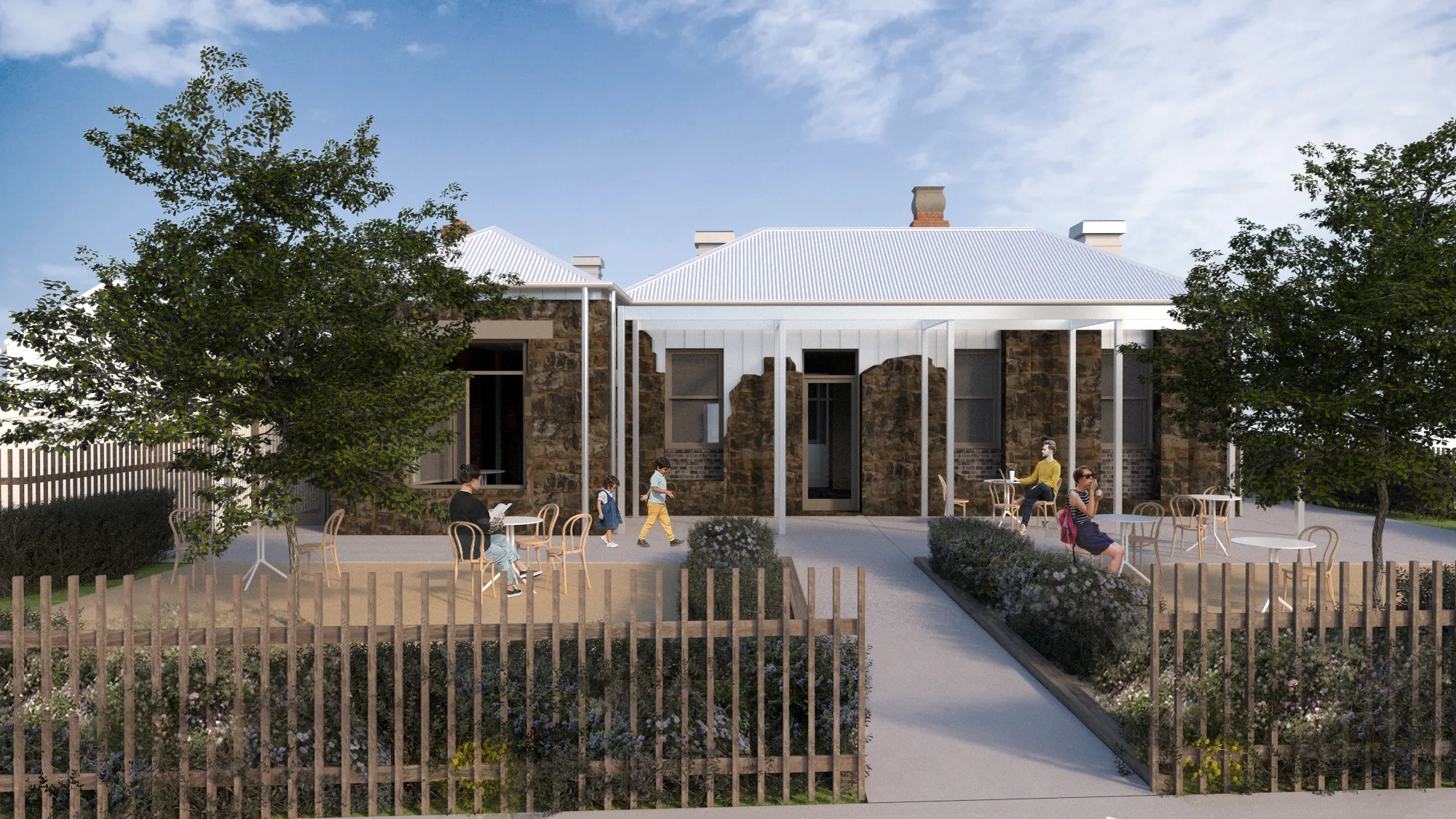
Sheer Force Engineering provided structural assessment, seismic evaluation and full structural design services for the adaptive reuse of the historic Doherty's House ruins in Tarneit. The project transformed the surviving 1870s bluestone ruins into a new community café, with the new structural system simultaneously supporting the building and stabilising the heritage fabric for future generations.
Click HERE to learn more.
330 King Street
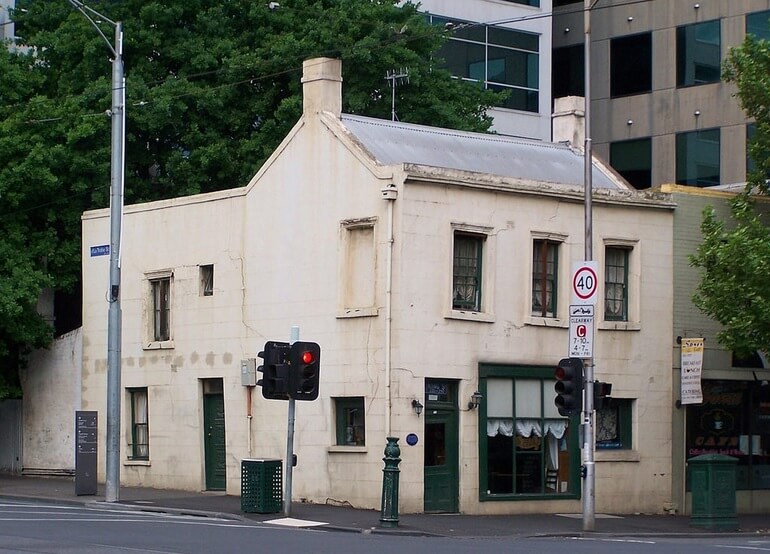
Sometimes the most important structural finding is discovering that the problem was never what everyone thought it was.
Click HERE to learn more.
Frequently Asked Questions About Heritage Structural Engineering
What does a heritage structural engineer do?
A heritage structural engineer assesses, investigates, preserves and adapts heritage buildings and historic structures. Their role is to help building owners, architects, project managers and heritage consultants understand how a building performs today and how it can be safely repaired, strengthened, modified or adapted for future use while respecting its heritage significance.
When should I engage a heritage structural engineer?
A heritage structural engineer should be engaged whenever structural concerns arise within a heritage building or when alterations are proposed. Common reasons include cracking, building movement, deteriorated structural elements, adaptive reuse projects, heritage building assessments, structural upgrades, extensions and redevelopment proposals.
Can heritage buildings be modified or extended?
Yes. Most heritage buildings can be successfully modified, strengthened or adapted for new uses. The challenge is ensuring that any structural works are sensitive to the heritage significance of the building while achieving modern performance requirements. Careful planning, investigation and engineering design are often required to achieve the best outcome.
Can heritage buildings be strengthened?
Yes. Heritage buildings can frequently be strengthened to improve structural performance, accommodate new loading requirements or support changes in building use. Strengthening solutions are typically tailored to the specific building and often seek to preserve as much original heritage fabric as possible.
What are the most common structural issues found in heritage buildings?
Some of the most common issues encountered in heritage buildings include:
Masonry cracking and movement
Timber decay and termite damage
Corrosion of structural steel
Deterioration caused by moisture ingress
Structural alterations undertaken without documentation
Differential settlement and footing movement
Age-related deterioration of building materials
Not all defects signify serious structural problems, but they should be assessed by an appropriately qualified professional.
Can a heritage building assessment identify hidden structural issues?
Yes. A heritage building assessment can help identify visible structural defects, areas of concern and potential hidden issues. Depending on the circumstances, additional investigations may be recommended to better understand the condition of concealed structural elements.
Do heritage buildings require specialist engineering advice?
In many cases, yes. Heritage buildings are often constructed using materials, techniques and structural systems that differ significantly from modern construction. Specialist heritage engineering advice can help avoid inappropriate repairs, preserve heritage significance and identify practical solutions for ongoing use and maintenance.
How much does a heritage structural assessment cost?
The cost of a heritage structural assessment varies depending on the size, complexity and condition of the building, as well as the scope of the required investigation. Simple inspections may require only a brief site assessment, while larger or more significant heritage assets may require detailed investigations and reporting, contact us to discuss your project further.
Final Thoughts
Heritage buildings are rarely simple.
They often contain hidden stories, undocumented alterations and structural complexities that only become apparent through careful assessment.
A heritage structural engineer helps uncover those stories, understand how a building performs and identify practical pathways forward.
Whether the project involves structural defects, adaptive reuse, preservation, strengthening or redevelopment, success typically begins with understanding the existing structure first.
The buildings that have survived for decades or even centuries often have much more life left in them.
The challenge is determining how best to preserve, adapt and strengthen them for the future.
Discuss Your Heritage Building Project
Whether you're planning alterations, investigating structural concerns, undertaking adaptive reuse works or looking to better understand the condition of a heritage building, specialist engineering advice can help identify risks and opportunities early.
To discuss your heritage building project, CLICK HERE
Never miss a new insight.
Receive email notifications when new articles, project lessons and technical insights are published.
Leave a message.
A thought, a question or a correction on this article — it comes straight to our team. Messages are reviewed by us before they appear beneath the article.
Tell us about your building.
Can’t find the answer you’re looking for? Tell us about your building, project or challenge and we’ll help point you in the right direction.
About The Author

Quentin Suckling
Director - Structural Engineering
Quentin Suckling is the Director and Principal Structural Engineer at Sheer Force Engineering. Passionate about heritage preservation and adaptive reuse, he enjoys understanding how buildings behave and helping clients unlock the potential within existing structures. Through these articles he shares practical lessons from projects, investigations and engineering practice.